Home repair is rarely glamorous, but it’s the kind of work that keeps a house solid, safe and comfortable. Most jobs start small – a soft patch in drywall, a loose hinge, a window that doesn’t shut cleanly – and then creep into bigger problems when ignored. At Renossance, we deal with those issues every week across Ontario homes, and the patterns are surprisingly consistent.
This guide breaks down the most common repair categories, what actually matters in each, and how homeowners can choose repairs that hold up over time. We also see how general home repair services become essential for keeping older houses stable as seasons shift and materials expand or contract. Small fixes often expose the bigger story behind a home – where it breathes, where it bends and where it needs reinforcement. The more we uncover, the clearer it becomes that early intervention always costs less than waiting for a failure point. And while every home ages differently, the core problems repeat often enough that knowing what to look for saves stress, money and time.
Structural Repairs That Protect the Home
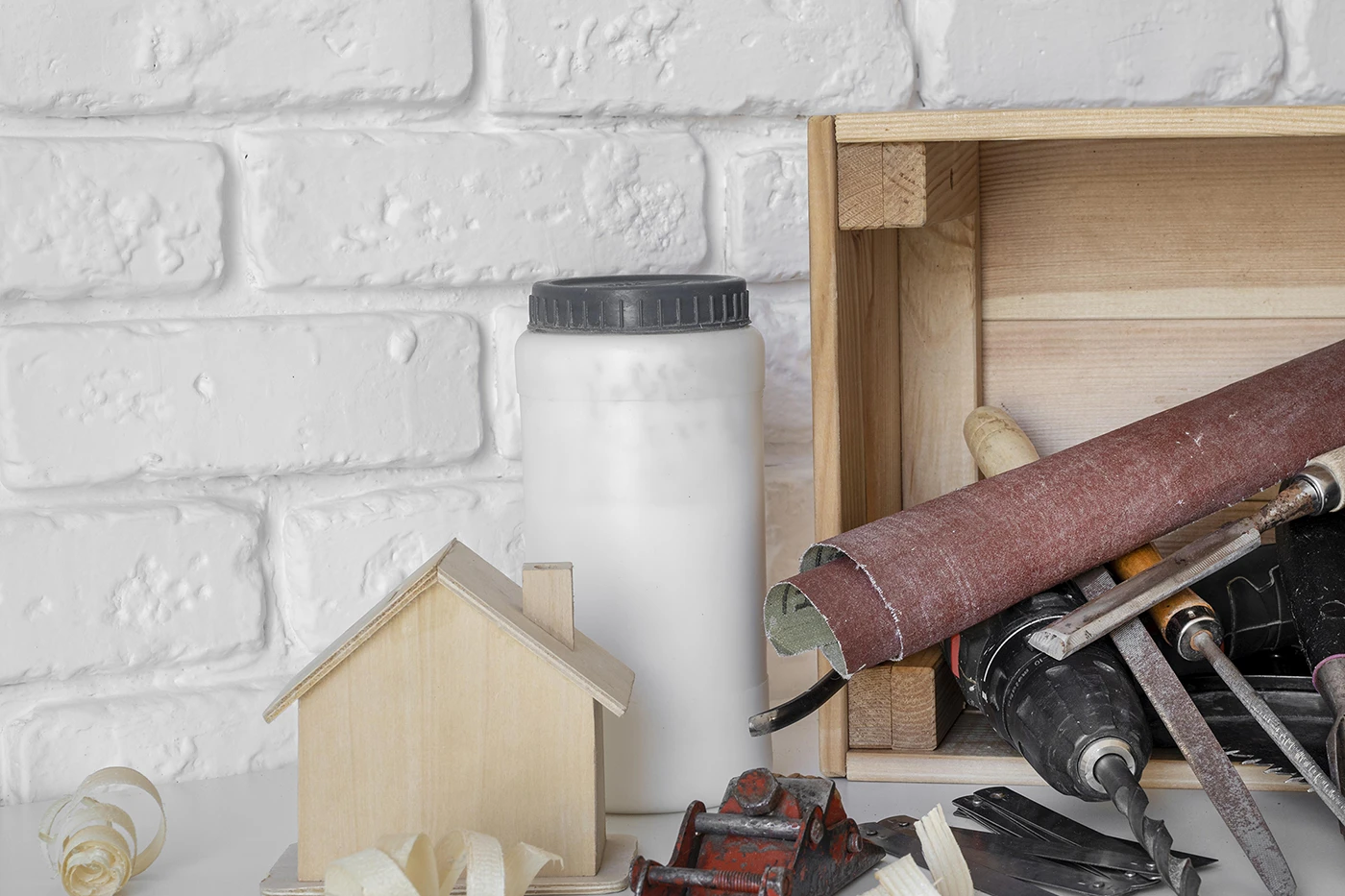
Structural fixes are the backbone of long-term maintenance, and they decide whether your home stays stable or becomes a future project roll. Shifts in framing, uneven subfloors or hairline foundation cracks appear long before major symptoms show up. We see early indicators around door casings that drift out of square or drywall seams that reopen after seasonal movement. These clues tell us the structure underneath wants attention, and catching them early saves serious money later. Another thing we notice – the sooner a homeowner calls, the less invasive the repair tends to be.
What We Look for During Structural Checks
-
Doors rubbing the floor or frame (classic movement sign).
-
Long, continuous cracks rather than small cosmetic splits.
-
Subfloor bounce in older additions.
These signs help us decide whether we’re dealing with natural aging or an active shift in the structure. Three or four measured checks, like laser leveling or moisture readings, confirm what’s happening behind the finishes. Once we understand the cause, repairs become predictable rather than guesswork and that’s exactly what homeowners appreciate. Fixing the root is always faster than chasing symptoms.
Interior Repairs That Improve Daily Comfort
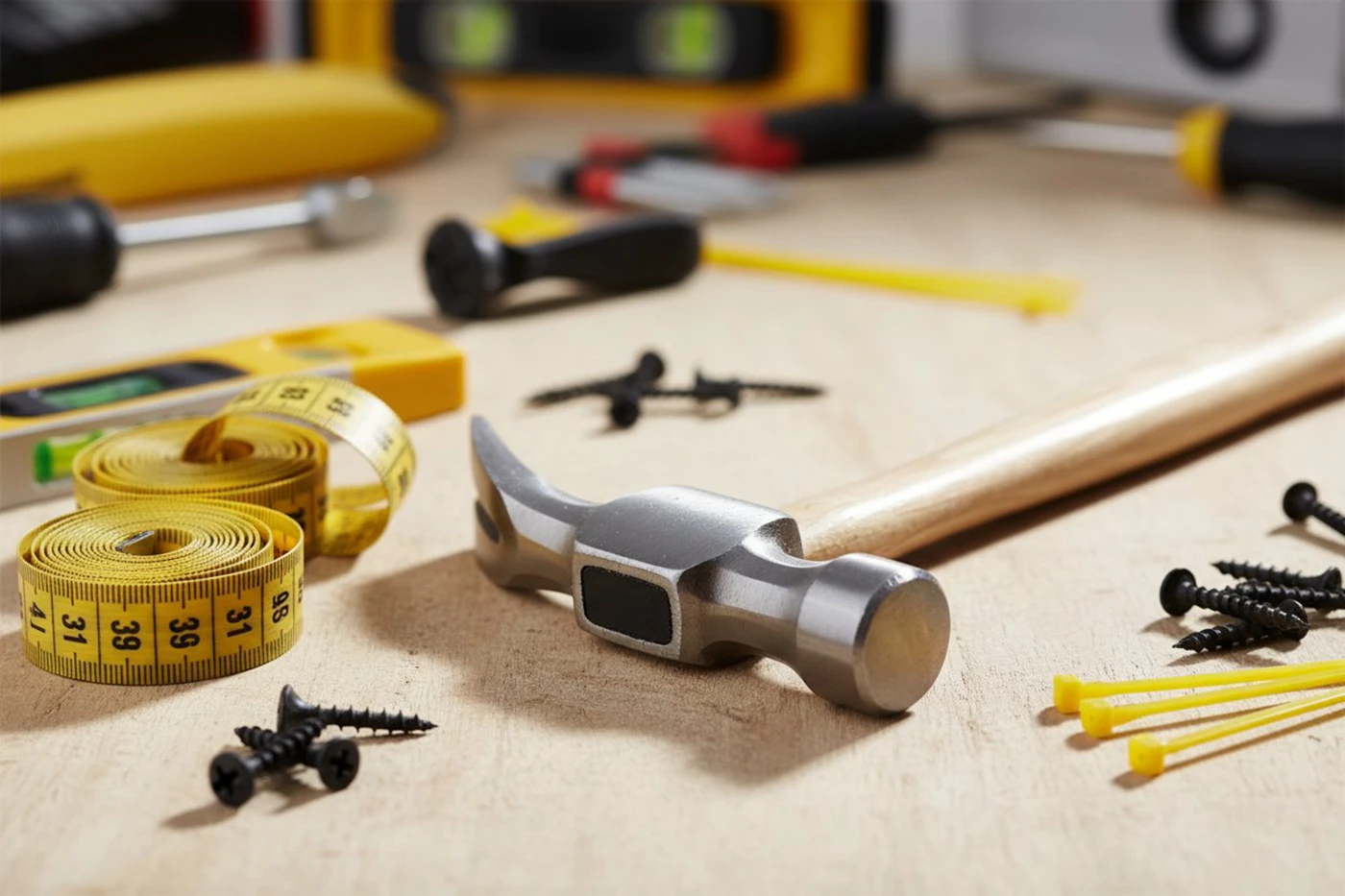
Interior repairs shape how the home feels day to day, from the way doors close to how walls look under natural light. They’re the jobs homeowners postpone the longest, even though the improvement is immediate once we fix them. A clean drywall finish or a properly aligned door can change the mood of a room more than people expect. And once one area looks right, most homeowners start noticing other opportunities to tighten things up. It’s a good kind of snowball effect.
Common Interior Projects with High Impact
-
Drywall patching and refinishing
-
Trim and baseboard replacement
-
Door rehanging and latch alignment
-
Window sealing and weatherstripping
Each of these repairs corrects something you interact with daily, which is why the payoff feels big. In most homes, we tackle two or three of these in one visit, making the space look noticeably sharper. Even small changes, like replacing damaged trim or smoothing a wall, bring a surprising sense of order. And honestly – living with fewer little annoyances feels good.
When Interior Issues Point to Something Deeper
If paint keeps bubbling or trim gaps reopen every season, something under the surface is driving those changes. Moisture, air leakage or shifting studs can disguise themselves as cosmetic issues. We look for recurring patterns because they usually tell us there’s a root cause worth addressing. When we track down the real culprit, repairs last far longer and the home becomes more predictable.
Exterior Repairs for Protection Against Ontario Weather
Exterior repairs protect the home from the things Ontario throws at it: rain, frost and high winds. These forces break down materials slowly, so early signs are easy to miss. A small caulking gap becomes water intrusion, then insulation damage, then interior staining. That’s why we treat exterior work as preventive first and corrective second. Better to seal a window today than replace drywall two rooms away later. A little vigilance outside keeps a lot of problems from moving inside — which is why a post-winter walkthrough is worth doing every spring.
A Practical Exterior Maintenance Checklist
-
Inspect caulking around windows every spring.
-
Replace damaged siding panels before winter.
-
Tighten loose deck boards as soon as you notice movement.
-
Repaint exposed wood surfaces every 3–5 years.
This checklist looks simple, but it’s built from hundreds of service calls in small Ontario towns. Following it prevents the majority of moisture-related damage we repair each year. It also keeps exterior materials from aging unevenly, which makes future repairs less disruptive. A well-maintained exterior is the best insurance against expensive surprises inside – no exaggeration.
Plumbing, Electrical and Small System Repairs
Small system repairs aren’t dramatic, but they protect you from the fast-spreading damage caused by leaks, shorts or poor ventilation. We see far more drywall rot from slow sink leaks than from roof problems. And a flickering light often warns of an overloaded circuit or loose connection – something homeowners shouldn’t ignore. These fixes keep day-to-day living smooth and reduce the chances of emergency calls. They’re the type of work that rarely gets noticed when done right, which is exactly the point.
Simple details like a properly sloped drain or a tight valve prevent headaches six months down the line. Many of these fixes take less than an hour but protect materials that cost thousands to replace. When we see something unusual, we test it twice – it’s a good habit we’ve learned from experience. And when a repair feels borderline, we mark it for follow-up rather than gamble.
Home Efficiency Improvements That Pay Back Quickly
Efficiency upgrades help homes feel more comfortable and use less energy. Draft sealing and insulation top-ups usually make the biggest difference, especially in older homes with leaky framing. Over years of repairs, we’ve found that uneven room temperatures almost always tie back to airflow issues or under-insulated exterior walls. Improving these areas usually pays back in comfort within a week and on utility bills within a season. It’s one of those upgrades homeowners wish they had done earlier.
When These Fixes Make Sense
-
Rooms feel uneven in temperature.
-
Energy bills rise even though usage hasn’t changed.
-
The home was built before 1995.
These signs suggest you’re losing conditioned air through gaps you can’t see. A quick blower door test or thermal camera scan confirms the weak spots with precision. Once sealed, the home holds temperature far more consistently and rooms stop fighting each other for balance. Think of it as giving your furnace a break – it’ll thank you later.
The Repairs That Should Never Be Ignored
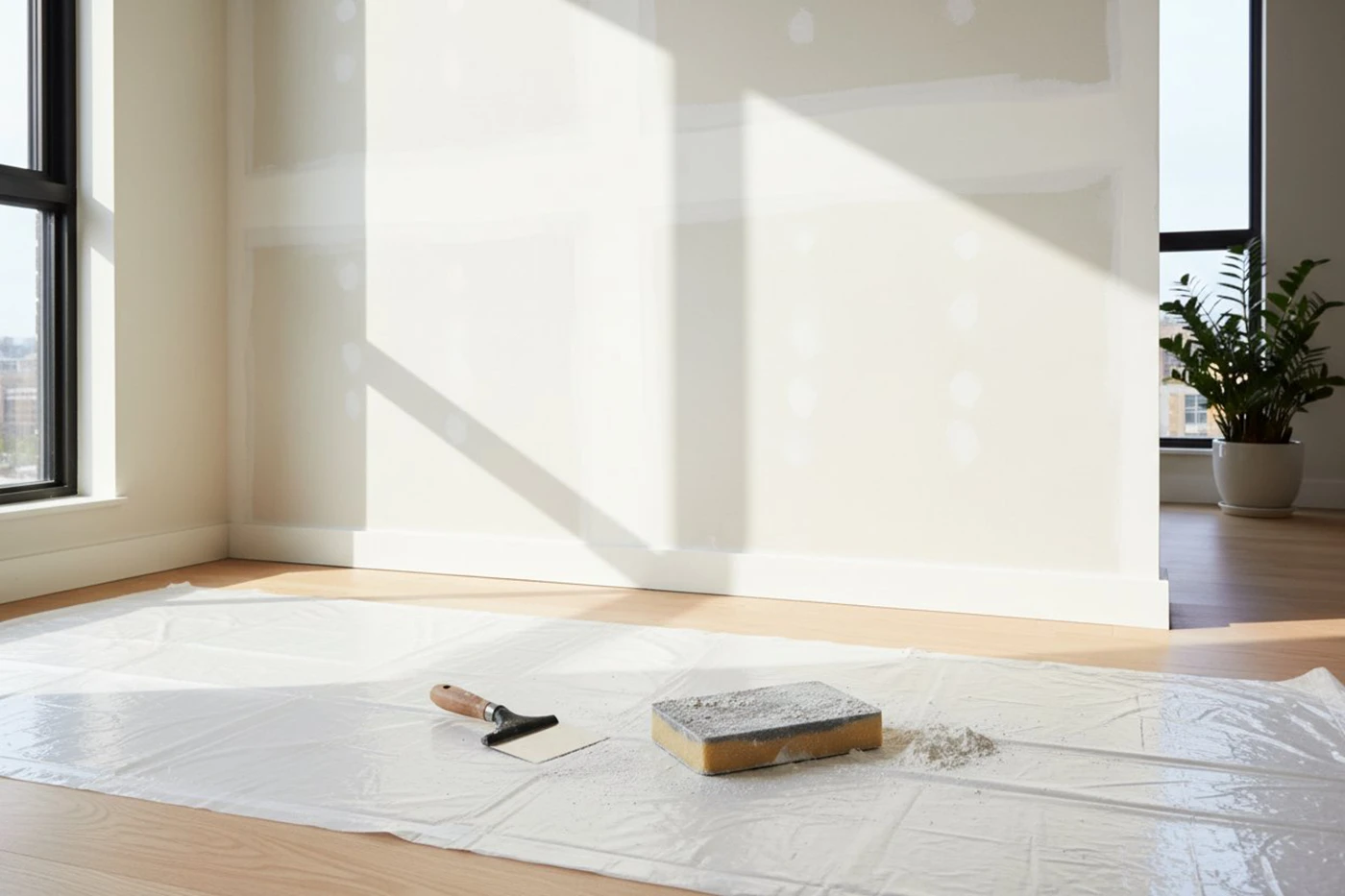
Some issues move from small to serious faster than homeowners expect. Water stains, deck movement or electrical buzzing aren’t weekend-project material. We treat these as high-priority because they signal risk, not just inconvenience. These jobs usually reveal deeper issues when opened up and waiting rarely makes them easier. If something looks suspicious and keeps returning, the fix should happen sooner rather than later.
High-Priority Repairs
-
Water stains on ceilings
-
Soft drywall around tubs
-
Stair or deck movement
-
Persistent electrical buzzing
Each of these problems represents a system under stress – electrical, structural or moisture-related. And while they don’t always require major work, they demand fast diagnosis. We’ve removed enough softened drywall and scorched wiring over the years to know they don’t fix themselves. Consider these the red flags of home maintenance: loud, clear and worth your attention.
When to Call Renossance
If a problem repeats, spreads or creates new symptoms, it’s usually time to involve a contractor. Homeowners can manage plenty of small tasks, but pattern-level issues need trained eyes. Tell us what you’re seeing, contact Renossance and we’ll break down whether the issue is urgent or not. Most repairs have a “right” moment to address them – not too early, not too late. Our job is to help you hit that window and avoid unnecessary costs.
When you’re ready for clear answers and a straightforward repair plan, reach out to Renossance and we’ll guide you from there.

