Water damage has a way of looking smaller than it is. A stain on the ceiling, a soft spot near the baseboard, a musty smell that shows up after heavy rain — these things are easy to dismiss, especially when nothing seems urgent. The problem is that water damage rarely stays contained. It spreads through drywall, travels along framing, gets into subfloors and insulation and creates conditions for mould before you’ve had a chance to figure out where it started.
We’ve opened up walls and floors after water damage in enough Trent Hills homes to know that the visible damage is almost never the full picture. What shows on the surface is where the water ended up — not necessarily where it came from or how far it travelled on the way there.
This guide covers what you can assess yourself, what needs a professional and which repairs fall squarely in contractor territory.
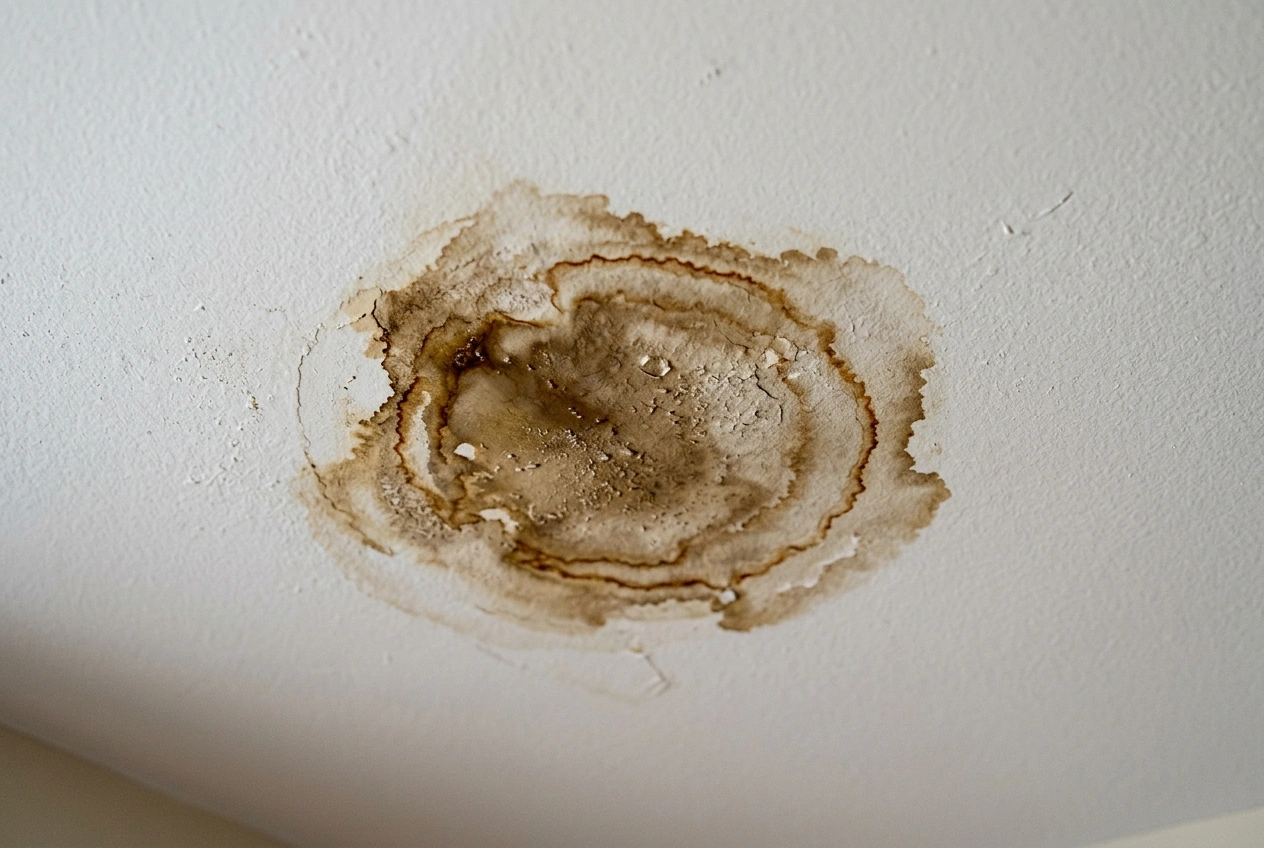
Understanding How Water Damage Actually Spreads
Before you can assess damage effectively, it helps to understand how water moves through a house. It doesn’t stay where it lands. Water follows gravity and capillary action — it moves down through floors, sideways through drywall and along framing members that act like channels. A roof leak at the ridge can show up as a ceiling stain in a completely different part of the room. A slow leak under a bathroom vanity can saturate the subfloor and travel laterally before it ever becomes visible.
This is why the location of visible damage and the source of the problem are often in different places. A basement wall that’s damp along the bottom may be getting moisture from a failing window well above it, not from the foundation itself. A floor that’s buckling in the middle of a room may be getting moisture from a slow drip behind the wall — not from a spill or a flood.
Time matters too. Fresh water damage and old water damage require different responses. Fresh damage — from a recent burst pipe, a storm, an appliance failure — needs to be dried out immediately to prevent mould. Old damage that has already dried may not be an active moisture problem anymore, but the structural effects — rotted framing, compromised subfloor, damaged drywall — still need to be addressed.
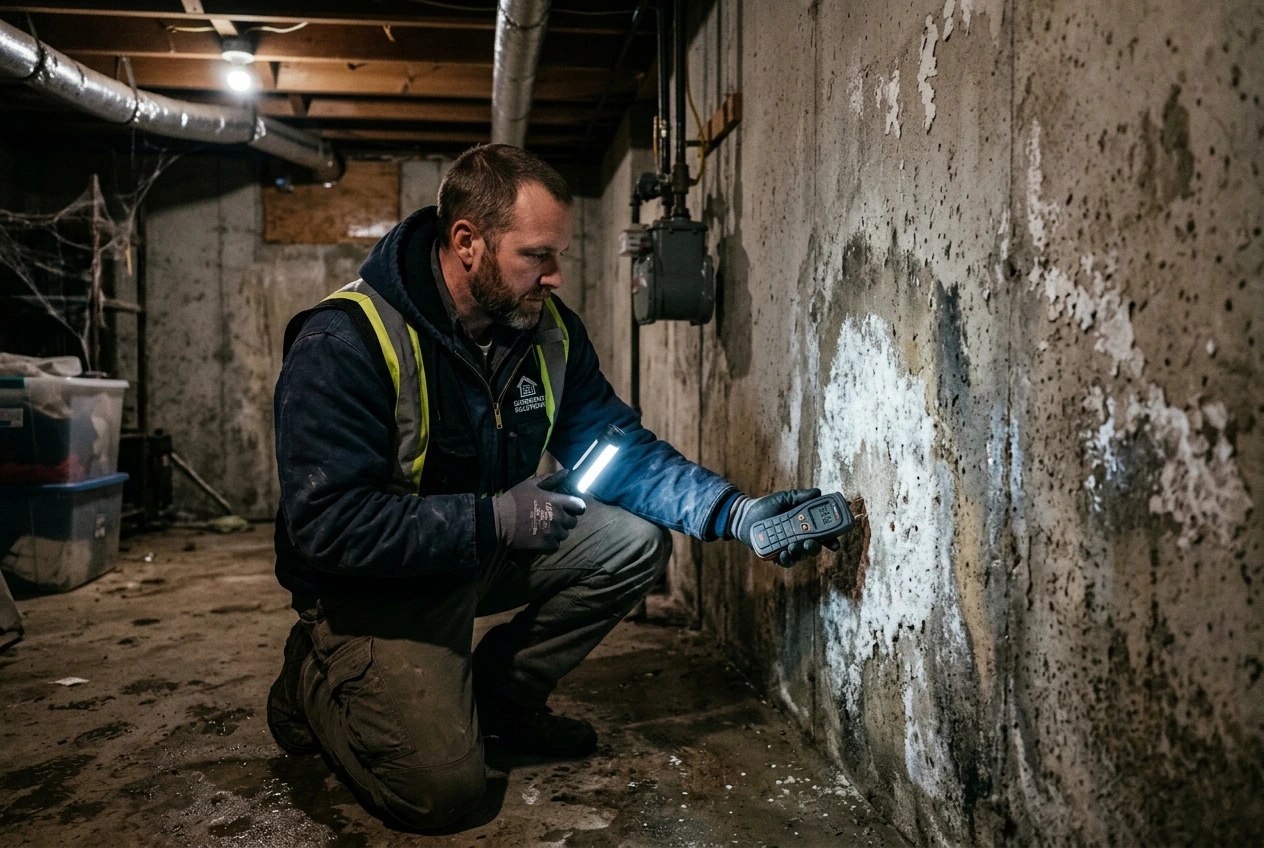
What You Can Assess Yourself
Not every water stain means the house is falling apart. Some visible marks are cosmetic remnants of a problem that’s already been fixed. Before calling anyone, it’s worth doing a careful walk-through to understand what you’re actually dealing with.
What To Look For Room By Room
- Ceilings: Stains that are dry, uniform in colour and haven’t changed in size are often old damage. Stains that are still wet, growing or have a ring pattern that keeps expanding indicate an active leak
- Walls: Bubbling paint, soft drywall or visible warping suggests moisture is still present. Discolouration alone on an otherwise solid wall may be cosmetic
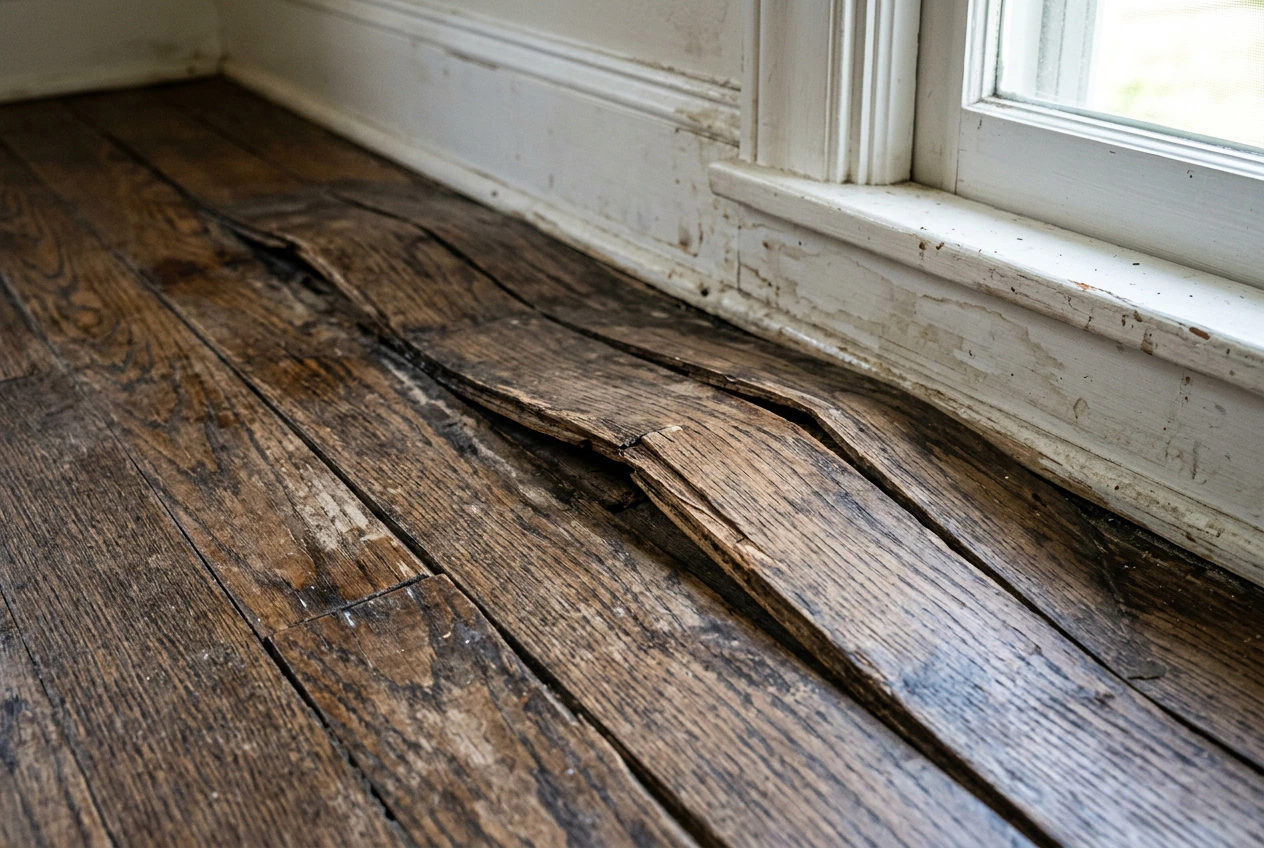
- Floors: Buckling, cupping or soft spots in hardwood or laminate indicate subfloor moisture. Tile that sounds hollow or grout that’s cracking along a specific line can point to water movement underneath
- Basements: Efflorescence — white mineral deposits on concrete walls — indicates water is moving through the foundation. Active dampness or standing water after rain is a drainage issue, not a cosmetic one
- Under sinks and around appliances: These are the most common sources of slow, undetected leaks. Check the cabinet floor under every sink and the area behind dishwashers and washing machines regularly
If what you’re finding is dry, stable and hasn’t changed, you may be dealing with old damage that needs cosmetic repair. If anything is wet, soft, actively changing or smells of mould, the situation needs more than paint.
What a Contractor Needs to Handle
Some water damage is straightforward enough for a confident DIYer. A small drywall patch, a repainted ceiling after a roof repair — these are manageable if the underlying cause has been fixed and the area is fully dry.
Everything below that line is contractor work. Not because homeowners aren’t capable, but because the consequences of getting it wrong are significant and not always immediately visible.
Structural Framing Damage
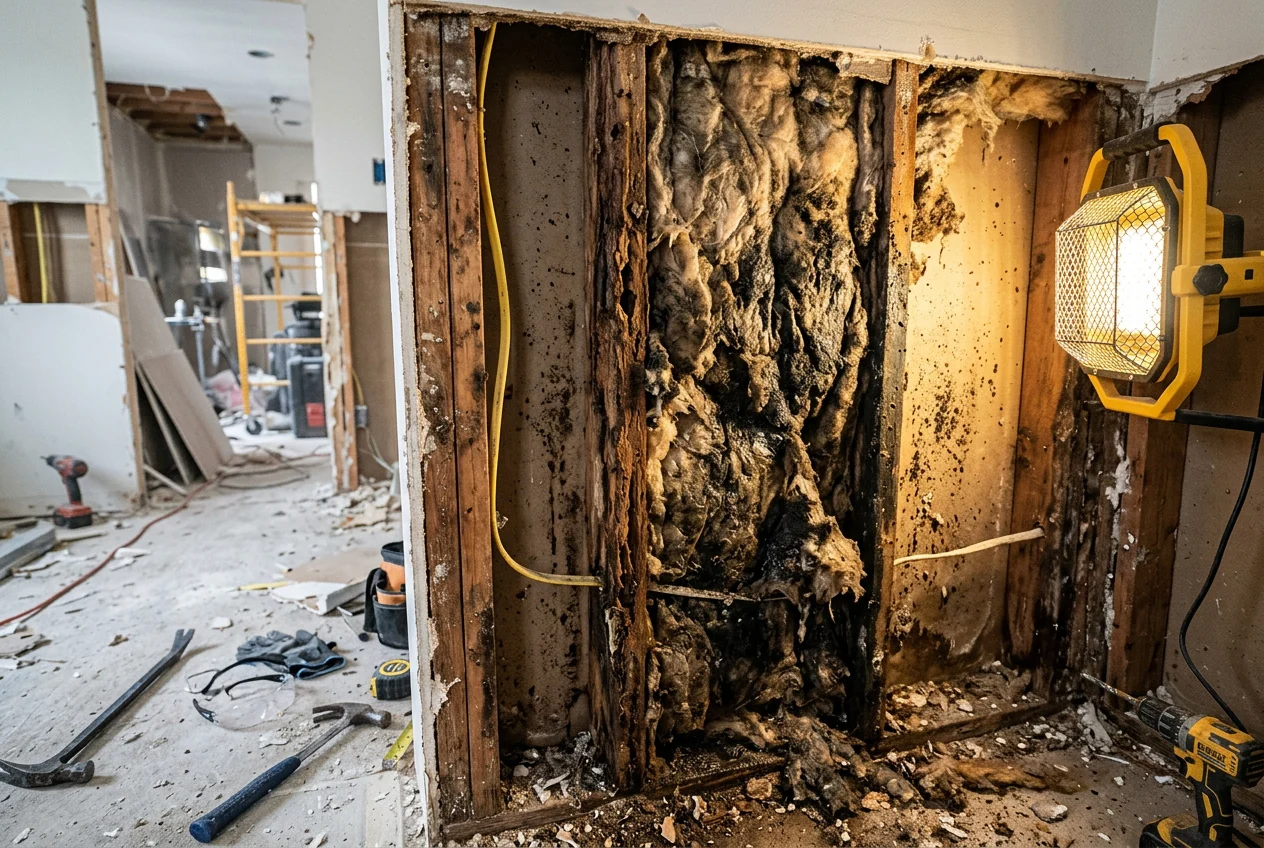
When water gets into wall cavities and floor systems long enough, it rots the framing. A stud that’s lost structural integrity, a joist that’s softened or a beam that’s showing signs of decay needs to be assessed and replaced properly — not sistered with new lumber and covered up. We’ve seen framing repairs done incorrectly that looked fine until the next renovation revealed what was actually behind the wall.
Subfloor Replacement
A subfloor that’s been saturated — especially OSB, which doesn’t recover well from prolonged moisture exposure — needs to come out. It won’t dry back to structural integrity. Putting new flooring over a compromised subfloor means the new floor will fail too, usually within a year or two.
Mould Remediation
If water damage has been present long enough for mould to establish, the remediation process matters. Mould isn’t just a surface issue — it grows into drywall paper, into insulation and along framing. Painting over it or wiping it down doesn’t resolve the problem. Affected materials need to be removed and the area needs to be treated before anything goes back in.
Drywall In Wet Areas
Drywall that has been saturated doesn’t dry back to its original state. It loses structural integrity, the paper face separates and it becomes a substrate for mould growth. In most cases, wet drywall needs to come out — not dry out. We replace drywall with moisture-resistant board in areas where water exposure is likely to recur.
The Repair Sequence Matters
One of the most common mistakes we see after water damage is jumping straight to the finish work — repainting the ceiling, relaying the floor, putting new drywall up — before the underlying cause has been fully identified and fixed and the structure has had time to dry.
The correct sequence is always: find the source, fix the source, dry the structure, assess and repair the damage. Skipping any step creates a situation where the repair fails and the damage resumes. We’ve been called in to redo water damage repairs where the ceiling was repainted twice before anyone identified that the bathroom exhaust fan above it wasn’t actually venting to the exterior.
If you’re not certain the source has been fixed, the repair work should wait. A few extra days of drying time and a confirmed fix on the source is always the right call.
Insurance and Documentation
If the water damage was caused by a sudden, accidental event — a burst pipe, an appliance failure, storm damage — it may be covered under your home insurance policy. Gradual damage from a slow leak that went undetected is typically not covered, which is one of the reasons catching water damage early matters financially as well as structurally.
Before any repair work starts on a potential insurance claim, document everything. Photograph the visible damage from multiple angles, note when you discovered it and keep any materials you remove until the adjuster has seen the space. Contractors who start work before an adjuster visits can inadvertently complicate a claim.
We work alongside homeowners navigating insurance repairs regularly. The scope of work we document for a repair quote can also serve as supporting documentation for a claim. If you’re in that situation, let us know upfront so we can make sure the documentation is thorough.
Prevention – What to Check Before Problems Start
Most water damage in residential homes comes from a small number of predictable sources. Checking these regularly — especially heading into spring after a hard winter or before the fall rain season — catches problems before they become expensive.
High-Priority Checks For Trent Hills Homeowners
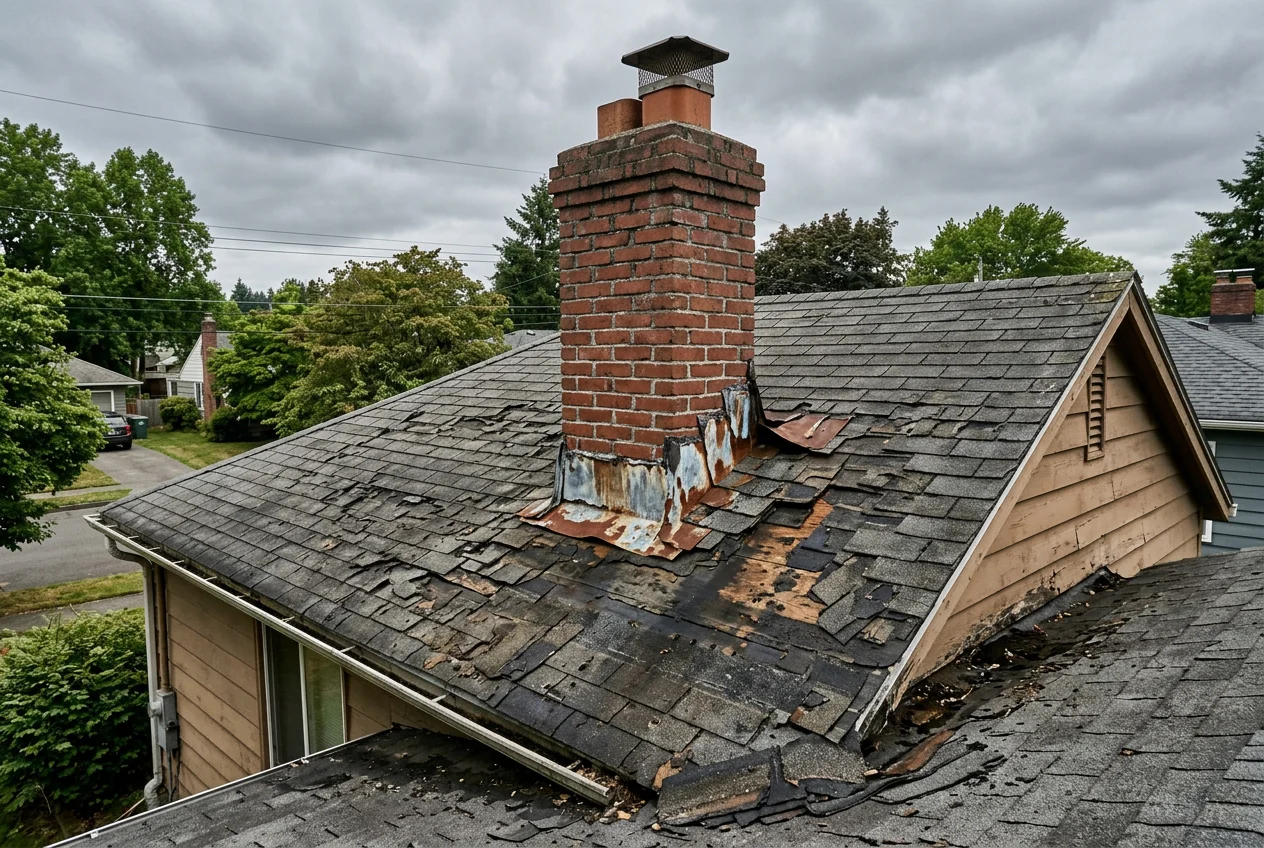
- Roof and flashing: Missing shingles and failed flashing around chimneys and vents are the most common source of attic and ceiling water damage
- Eavestroughs and downspouts: Blocked gutters cause water to back up at the eaves and saturate fascia and the top of exterior walls
- Window and door seals: Failed caulking around exterior openings lets water in at the frame, often showing up inside the wall before it’s visible on the interior
- Sump pump function: Test it before spring thaw — a failed sump pump during snowmelt is a basement flood waiting to happen
- Under-sink plumbing: Slow drips from supply lines or drain connections are the most common source of hidden kitchen and bathroom water damage
None of these checks require tools or expertise. They take twenty minutes and they catch the issues that become expensive if they run undetected through a season.
What Renossance Does
We handle water damage repairs across Trent Hills and the surrounding area — Campbellford, Hastings, Havelock, Marmora, Norwood, Warkworth and Stirling. Drywall replacement, subfloor repair, framing assessment and replacement, interior finishing after water damage — we do the full scope of repair work once the source is resolved.
We’re a general contractor service, insured and bonded, with 7+ years of hands-on experience in residential repairs and renovations. If you’re not sure what you’re dealing with, a site assessment is the right first step.

