Porcelain is the better pick for floors that see water, snow melt and heavy foot traffic, while ceramic is a practical choice for walls and low-traffic rooms where you’d rather keep the budget in check. Both are fired clay tile, but porcelain is denser, harder and more water-resistant, which is why we set it in most bathrooms, kitchens and entryways. Ceramic is a little more porous and easier to cut, so it works well for a backsplash, a powder room wall or a guest bathroom floor that doesn’t get hammered every day. The right answer depends on the room, and that’s how we walk homeowners through it.
This question comes up on almost every tile job we quote. Two tiles can sit side by side on a showroom shelf looking nearly identical, and the label is often the only clue about which one you’re holding. We’ll go through what really separates them, where each one earns its place and how the choice changes the way we install it.
What’s the Real Difference Between Porcelain and Ceramic Tile?
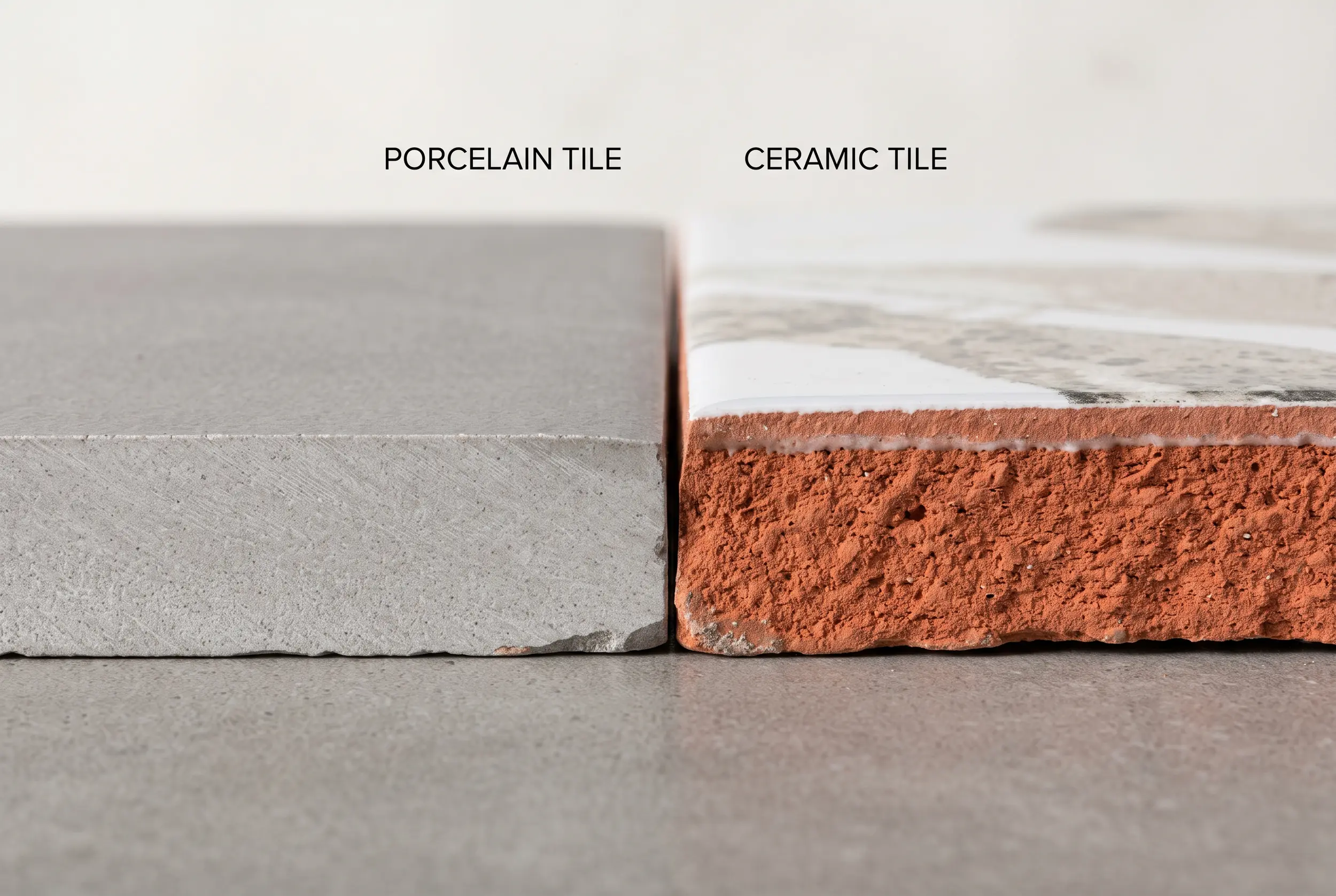
The real difference is density. Porcelain is made denser and fired harder, which makes it tougher and less absorbent than ceramic. Ceramic tile is fired at lower temperatures and stays slightly more porous, so it takes on a little more moisture over time. That single difference drives almost everything else, from how each tile handles a wet floor to how it behaves when it’s cut or when it chips. Neither one wins in every situation, and we install both all the time.
How Each Tile Handles Water and Wear
Water ends more tile jobs early than anything else, and it’s usually the moisture getting behind the tile that does the damage rather than the tile itself. In a shower, the waterproofing behind the tile matters more than which tile you pick, which is why we put a waterproof membrane on every shower and tub surround before the first tile goes up. Inside that system porcelain adds a bit of extra protection because it absorbs less, while ceramic is perfectly fine on shower walls when the membrane is done right. On a floor the picture changes, because floors take grit, dropped objects and standing water, and that’s where porcelain’s extra hardness really pays off. If a floor will get wet regularly, we lean toward porcelain almost every time.
What Happens When Each One Chips
Every tile floor takes a hit eventually, whether it’s a dropped cast iron pan or a heavy boot heel. When a glazed ceramic tile chips, you often see the clay body underneath, and that colour can be quite different from the glaze on top, so the damage stands out. Porcelain tends to resist chipping better in the first place, and some porcelain carries its colour deeper into the tile, which helps a small chip blend in. If you’ve got kids, a dog or a kitchen that gets real daily use, that toughness is worth paying for. On a wall nobody’s ever going to bump into, it hardly matters.
Which Rooms Suit Porcelain and Which Suit Ceramic?
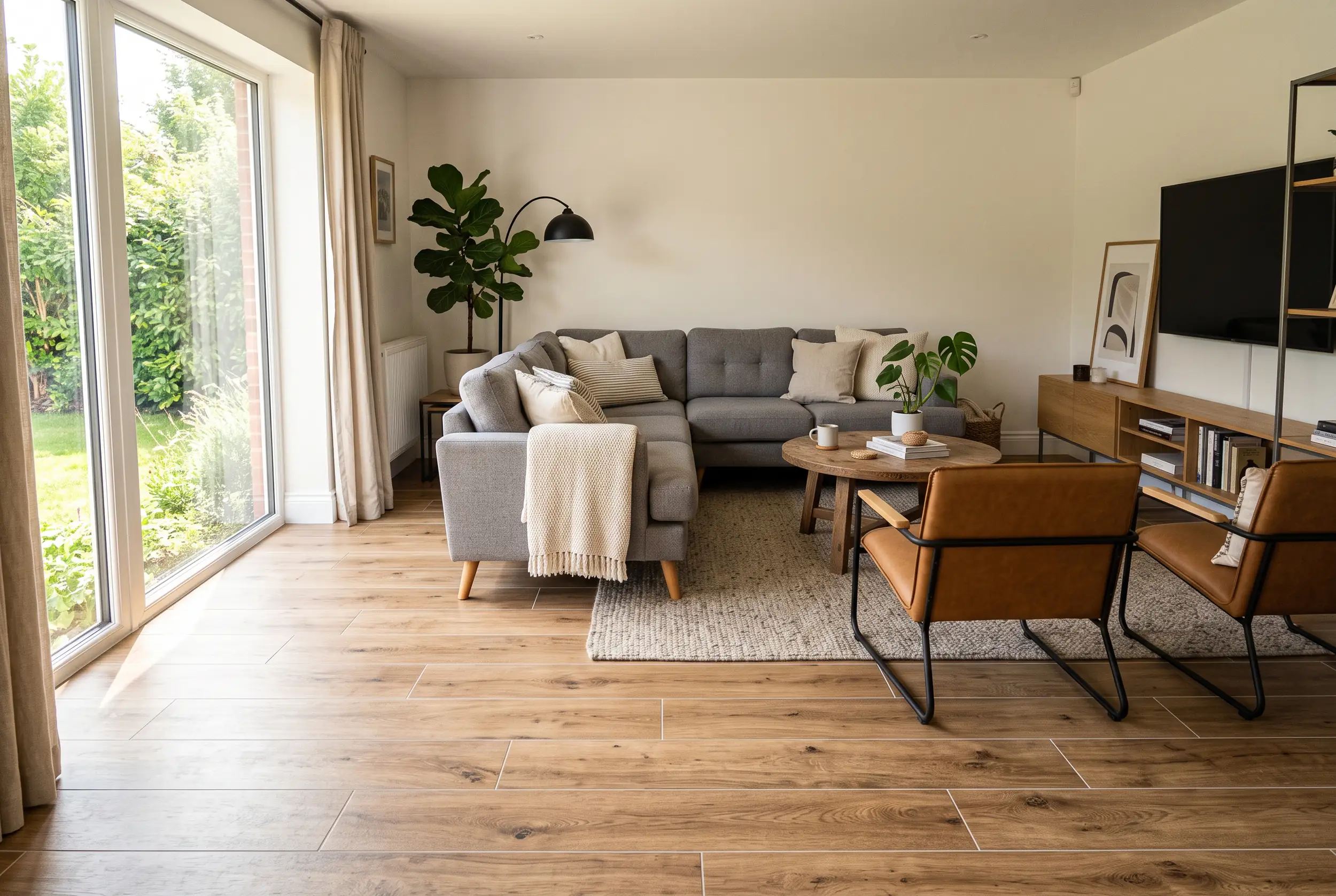
Porcelain suits wet, high-traffic rooms and ceramic suits walls and lighter-use spaces, but the line isn’t rigid. Plenty of homes end up with both, porcelain on the floors and ceramic on the walls, because that’s where each one gives the best value. What matters is how hard the room works and how often water is involved. Here’s how that plays out room by room in the kind of houses we work in around Trent Hills.
Bathrooms and Showers
For a bathroom floor, we usually recommend porcelain, since the mix of wet feet, spilled water and bath mats that hold moisture is tough on any surface. Shower floors and tub surrounds follow the same logic, although what’s behind the tile still matters most. Ceramic is a sensible, budget-friendly choice for the upper walls of a bathroom and for a powder room that sees very little water.
If you’re planning a full remodel, our bathroom renovation work pulls the tile decision together with the plumbing, waterproofing and fixtures so nothing gets decided in isolation. We’d rather talk through the whole room with you than sell you tile in a vacuum.
Kitchens and Entryways
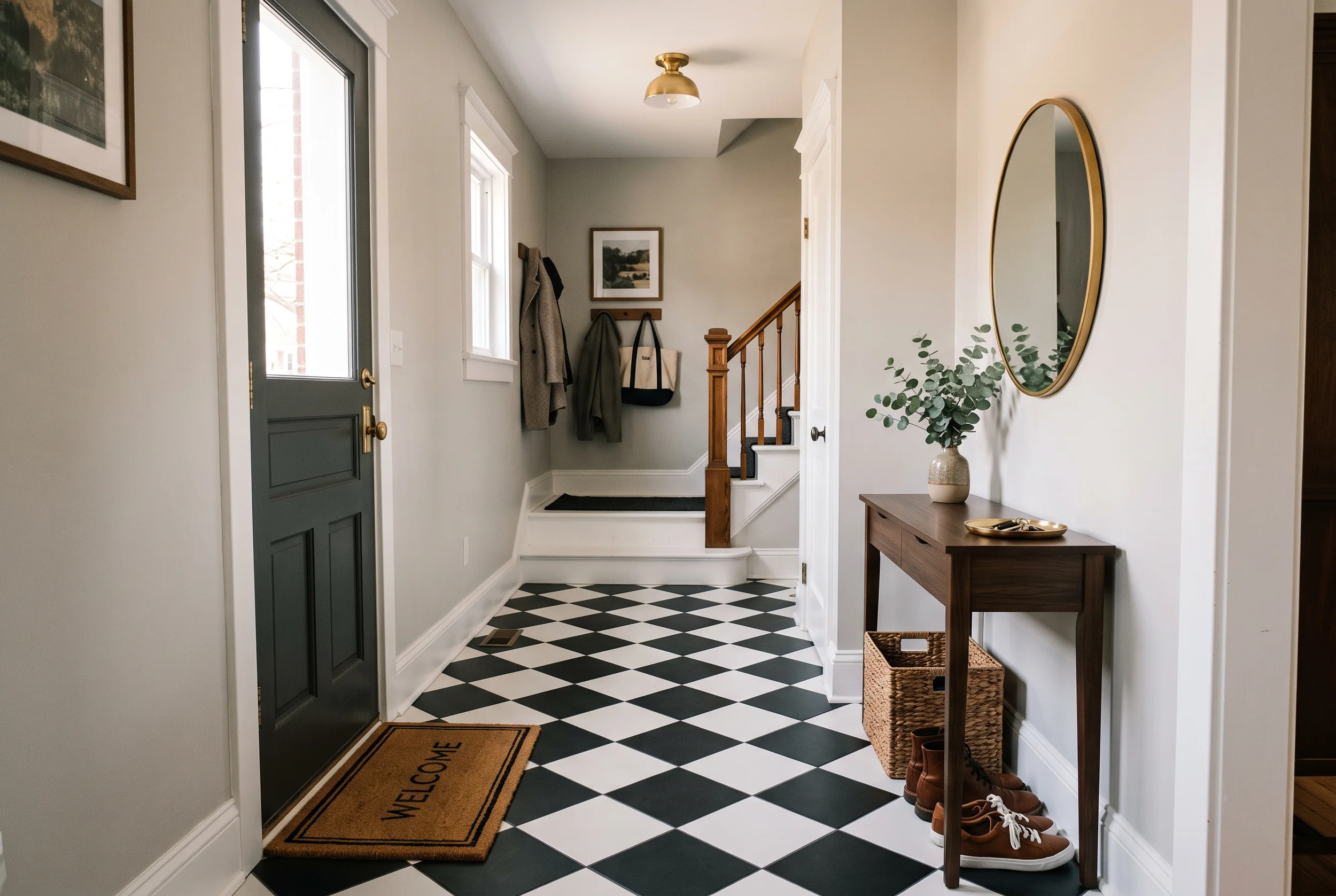
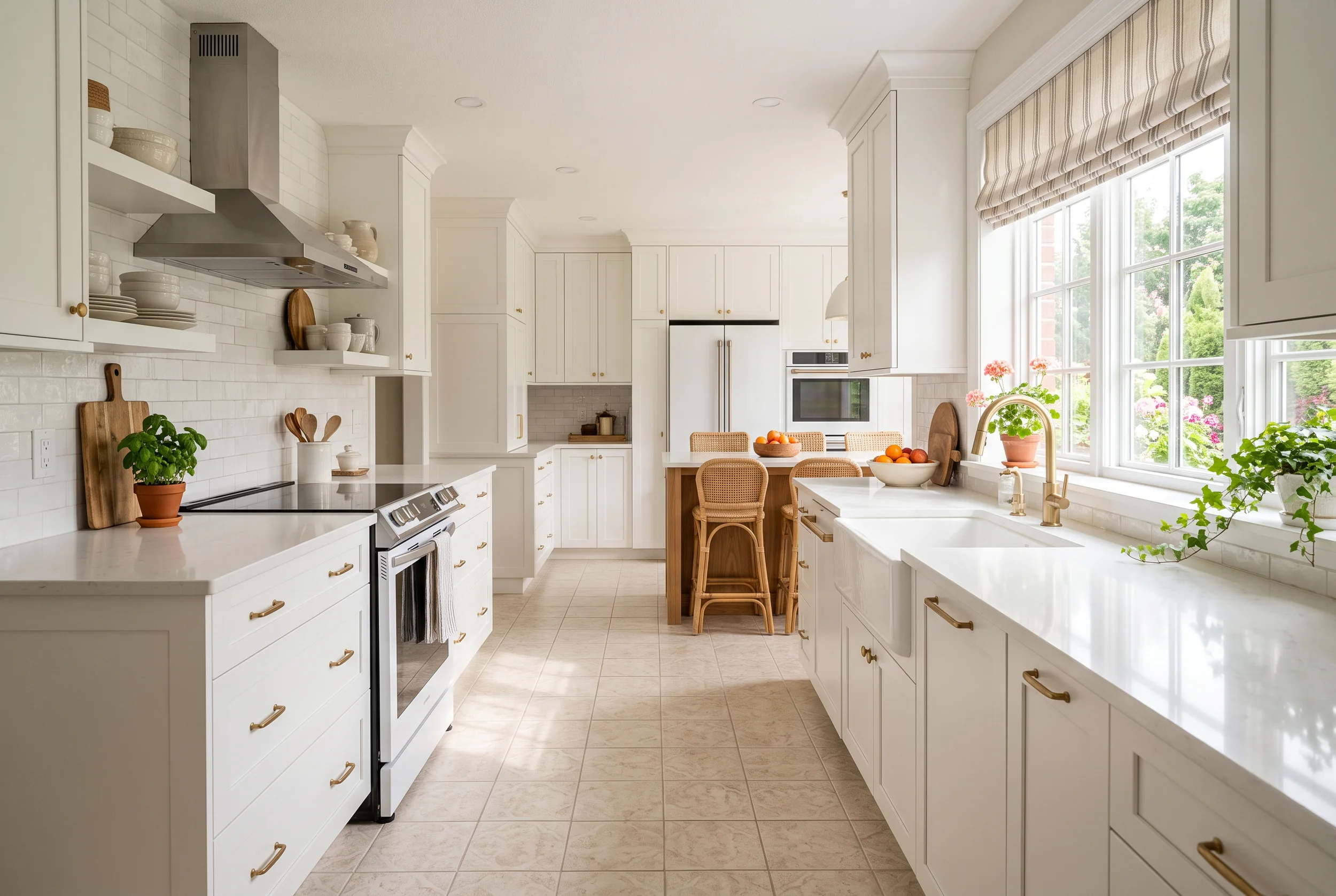
Kitchens ask a lot of a floor: dropped pans, spills, chairs dragged back and forth and a steady stream of foot traffic from morning to night. Porcelain handles that comfortably, which is why it’s our usual suggestion for kitchen floors. Entryways and mudrooms are the toughest rooms of all out here, because anyone who lives in Trent Hills knows what a back door floor goes through between November and April with slush, road salt and wet boots. A porcelain floor in that spot is easier to keep clean and far less likely to wear down or soak up moisture.
If you’re still sketching out the rest of the room, our post on kitchen renovation trends in Campbellford is worth a read while you plan.
Walls, Backsplashes and Low-Traffic Rooms
Walls don’t face the wear a floor does, so ceramic is often the smart place to save money without giving anything up. A kitchen backsplash, a laundry room wall or a bathroom wall above the tub gets splashes and steam, not boots and furniture. Ceramic’s easier cutting also makes wall work go faster, which can help keep labour in check. Low-traffic floors such as a powder room or a small guest bath can be ceramic too, as long as you accept that it won’t be quite as forgiving if something heavy drops. The goal is to spend the extra on porcelain where it does real work and not where it doesn’t.
How Do Porcelain and Ceramic Compare Side by Side?
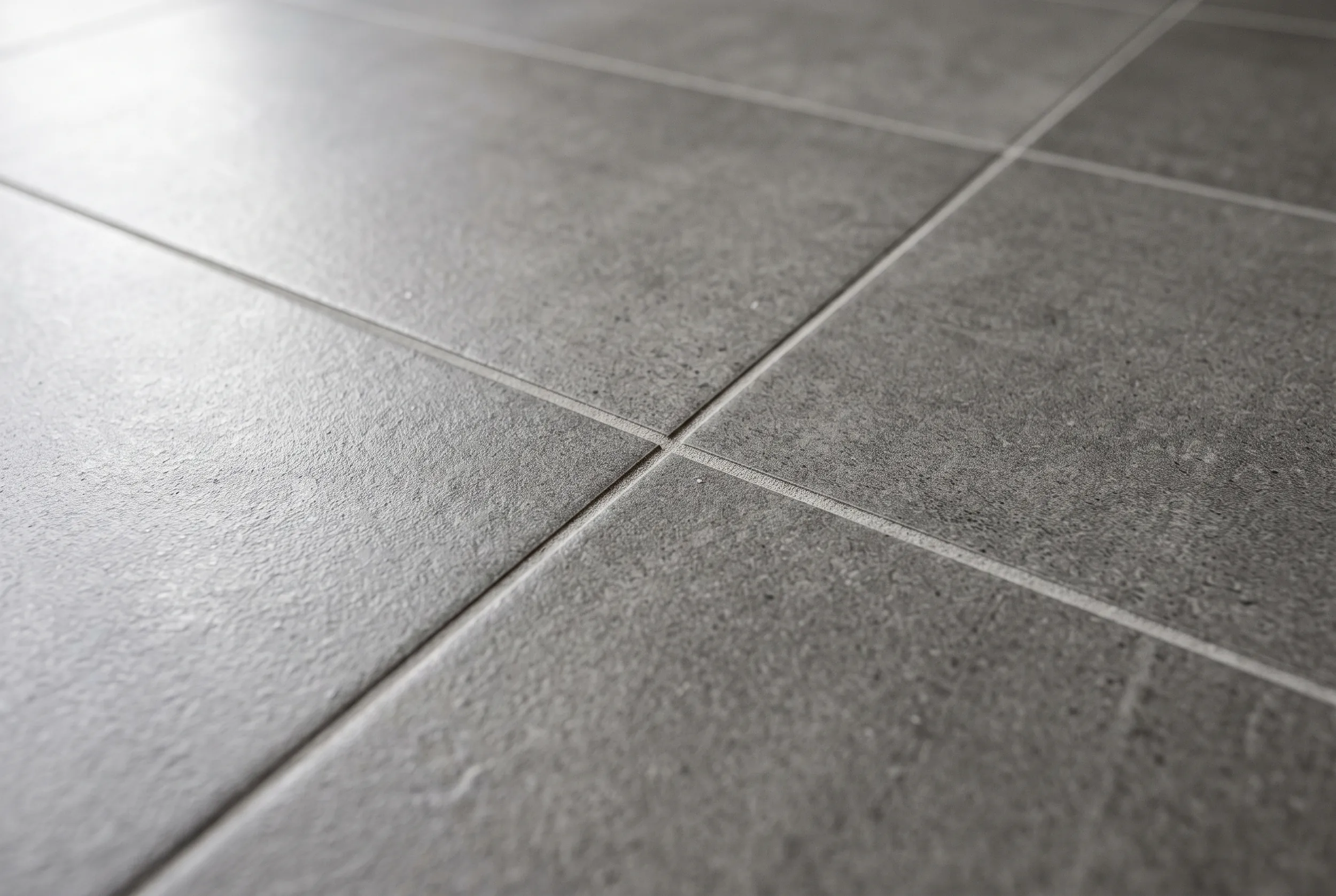
Seeing the two next to each other helps, especially when you’re juggling budget, room and upkeep at the same time. The table below pulls the main differences into one place so you can scan it before you head to a showroom. Keep in mind that every product line varies, so the label on the box and the tile’s rated use matter as much as the category. If you’re ever unsure, bring the specific tile to us and we’ll tell you honestly whether it suits the room.
| Feature | Ceramic | Porcelain |
| Density | Lower, slightly more porous | Higher, denser and harder |
| Water resistance | Good with proper waterproofing behind it | Better, absorbs less moisture |
| Best locations | Walls, backsplashes, low-traffic floors | Floors, showers, kitchens, entryways |
| Chip behaviour | Glazed surface can show the clay body | Tends to resist chipping better |
| Cutting and drilling | Easier and faster | Tougher, needs the right blade and more time |
| Material cost | Generally lower | Generally higher |
Does Your Choice Change How the Tile Gets Installed?
It does, mostly in time and preparation rather than in the basic method. Both tiles get set in thinset mortar with a notched trowel, spaced evenly and grouted once the mortar has cured. The difference shows up in how much effort each material asks for and how forgiving it is of a less than perfect surface. Understanding that helps you see why two quotes for the same room can look different.
Cutting, Layout and Subfloor Demands
Porcelain is tougher to cut and drill, so a crew needs the right blade and more time around toilets, vanities and corners, and that shows up in labour. Ceramic cuts more easily, which is part of why it suits detailed wall work with lots of small cuts. Large format tile, which is popular in porcelain, also needs a very flat subfloor because any dip shows up as lippage, where one tile edge sits higher than its neighbour. That’s why we assess the subfloor on site and level it where needed before any mortar goes down. A beautiful tile on an uneven base looks wrong the day it’s finished and tends to crack later.
If you want to see how we handle layout and prep, our tile installation and repair page walks through the process step by step.
Grout, Sealing and Day-to-Day Upkeep
Whichever tile you choose, the grout lines are the part that needs attention over the years. Grout is porous, so sealing it at installation and resealing it every couple of years keeps it from staining and breaking down. Porcelain and ceramic themselves wipe clean with ordinary cleaners, which makes both easy to live with. The practical difference is that porcelain’s lower absorption means less worry if a spill sits for a while before you get to it. Choosing a grout colour close to the tile also hides everyday wear far better than a stark contrast.
What About Natural Stone and Glass Tile?
Natural stone and glass tile sit in their own category, and they’re a different conversation from porcelain versus ceramic. We install both, along with porcelain and ceramic, across floors, walls and wet areas. Natural stone is porous and needs sealing, while glass tile is usually a wall or accent material that calls for careful setting and clean cuts. If you’re drawn to either one, tell us early so we can plan the layout and prep around it. For most everyday floors and walls, though, the choice really does come down to porcelain or ceramic.
So Which One Should You Choose for Your Home?
Choose porcelain for floors, showers and any room that sees water or heavy traffic, and choose ceramic for walls and light-use spaces where you want to keep the budget under control. Most homes work best with a mix, and there’s nothing wrong with using both in the same bathroom. If you’re torn on a specific room, think about what that room goes through in a normal week and let that guide the decision. We’d rather you pick the tile that suits the job than the one that looks best in the showroom light. When you’re ready to talk through your space, call us at (705) 977-4453 or email [email protected] and we’ll look at the room with you before you buy a single box.

