Fall home maintenance in Trent Hills comes down to catching small problems before winter turns them into expensive ones. That means walking your roof and eavestroughs, sealing up gaps around windows and doors and giving your siding and exterior trim a real look while the weather still cooperates.
Rural properties across Hastings counties take on more wear than homes tucked into a subdivision, more tree cover, more exposed roofline, longer stretches between you and your nearest neighbour, and that’s exactly why a fall walkthrough matters more out here than it does in town. None of it takes a whole weekend, it just takes doing it before the weather makes the decision for you. This is the same list we run through on our own projects every year, nothing fancy, no shortcuts, just the things worth checking before the first real snow settles in.
Why Fall Maintenance Matters More Than People Think
Fall maintenance matters because rural homes take on more exposure than homes closer to town, and small issues left alone over winter get worse fast once snow and freeze-thaw cycles set in. A loose shingle or a clogged eavestrough might look minor in October, but by February that same small problem can mean water finding its way into your attic or working against your foundation, and neither of those is a quick fix once it’s underway.
Properties with more tree cover and longer driveways also tend to collect more debris in gutters and on rooflines than a tight urban lot ever will, so the buildup happens faster here than most homeowners expect. On top of that, once the ground freezes and the snow settles in, a lot of exterior repairs simply aren’t possible until spring, which means anything you miss in the fall sits untouched for months, quietly getting worse the whole time. A short list handled in October or early November, before the first hard freeze, is usually enough to head off the kind of repairs that would otherwise wait until the thaw and cost a lot more by then.
What Should You Check on Your Roof and Eavestroughs?
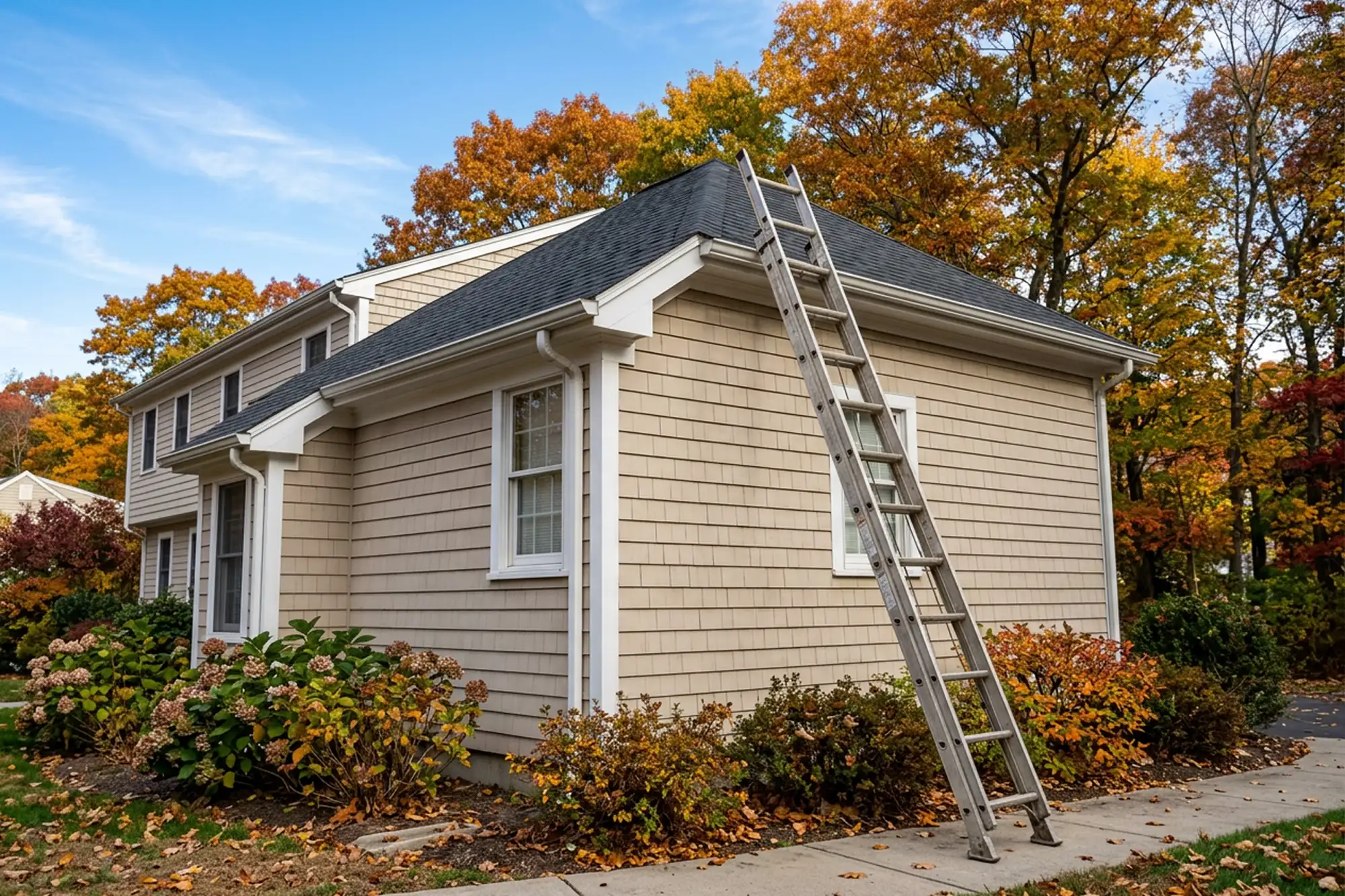
The roof and the eavestroughs do the most work keeping water away from the rest of your house, so they’re the first stop on any fall walkthrough. A problem here rarely stays contained to the roof itself, since water finds its way down into fascia, soffits and eventually the walls if it’s given enough time. Checking both together, rather than one and not the other, is how you catch the kind of issue that actually causes damage. It only takes twenty minutes to walk the outside of your house and look up.
Your Roofline
Walk the perimeter of your house and look up, checking for shingles that are missing, curling at the edges or visibly damaged, since even a small gap is enough to let water in once snow starts to melt and refreeze against it. You don’t need to get on a ladder to spot most of these problems, a careful look from the ground catches more than people expect. Pay extra attention to valleys and areas around chimneys or vents, since these spots see more water flow and wear out faster than a flat, open section of roof. If anything looks questionable, it’s worth having someone take a closer look before winter rather than guessing from the ground.
Your Eavestroughs and Downspouts
Clear out eavestroughs and downspouts so melting snow actually has somewhere to go, instead of backing up under your roofline or freezing solid into an ice dam. While you’re at it, check that the eavestroughs are still pitched correctly and fastened securely, since a section that’s started to sag holds onto water and ice a lot longer than one that’s draining the way it’s supposed to. That extra weight is exactly what pulls a gutter loose over the course of a winter, and once it’s pulled away from the fascia, water has an even easier path into places it shouldn’t be. A five-minute walk with a ladder now saves you from discovering a sagging, ice-loaded gutter in the middle of February.
If your gutters need more than a clean out, our seamless eavestroughs page covers what a proper installation or repair looks like.
How Do You Prepare Your Siding and Windows for Cold Weather?
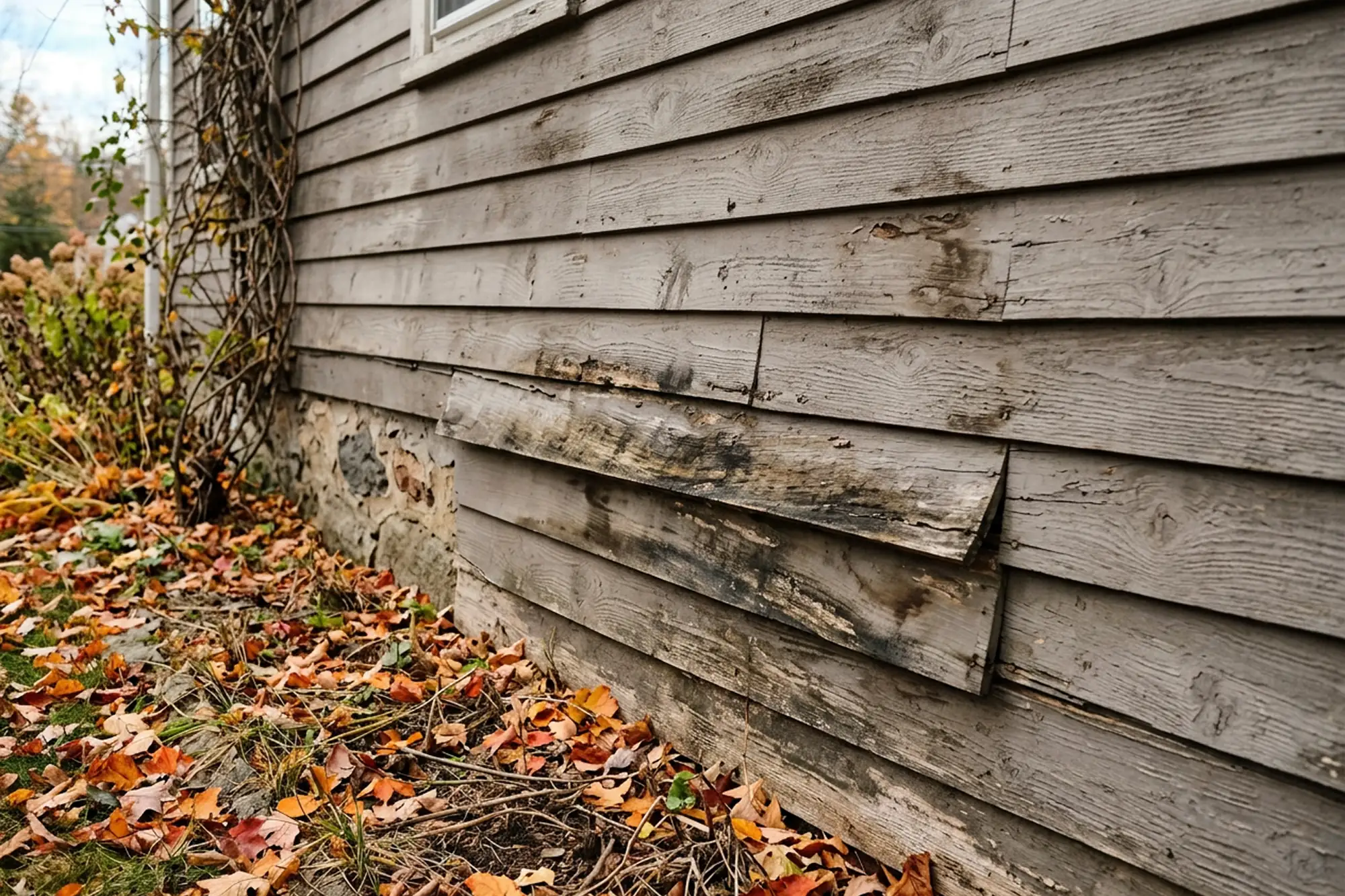
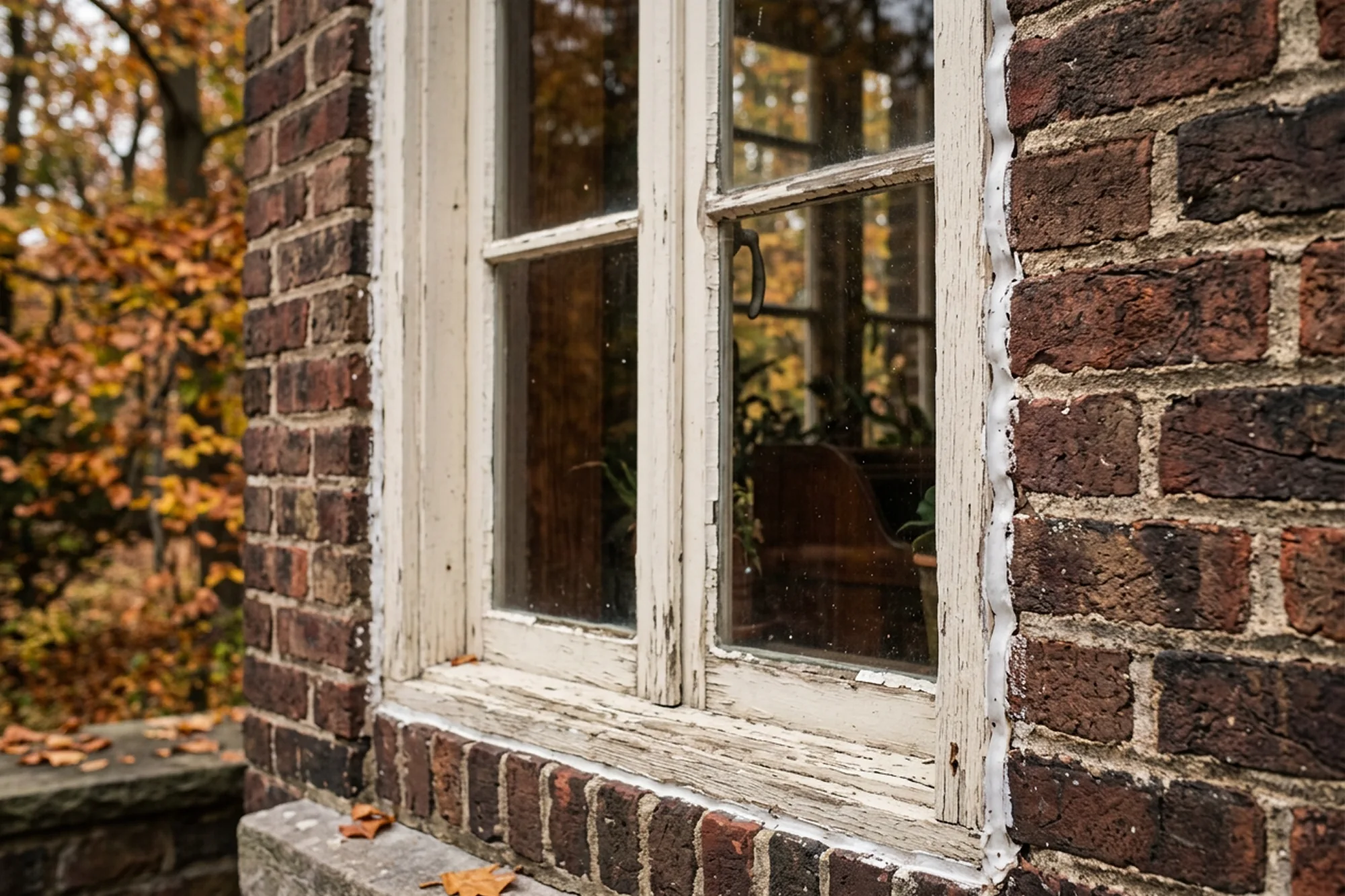
Preparing your siding and windows means walking the outside of your home looking for gaps, cracks or loose sections before cold weather turns small problems into bigger ones. Warped, cracked or loose siding panels are the main things to watch for, and corners and areas near ground level deserve extra attention since that’s where moisture tends to collect first, and a section that’s come loose won’t fix itself over winter, if anything wind and ice make it worse fast. While you’re out there, check the caulking around every window and door too, since gaps here are one of the most common ways heat escapes and cold air finds its way in. It’s a small job compared to most of what’s on this list, but it’s one that pays for itself the fastest once the heating bills start climbing.
Our siding installation and repair page covers what to expect if a section needs more than a patch.
What About Your Deck, Fence and Other Outdoor Structures?
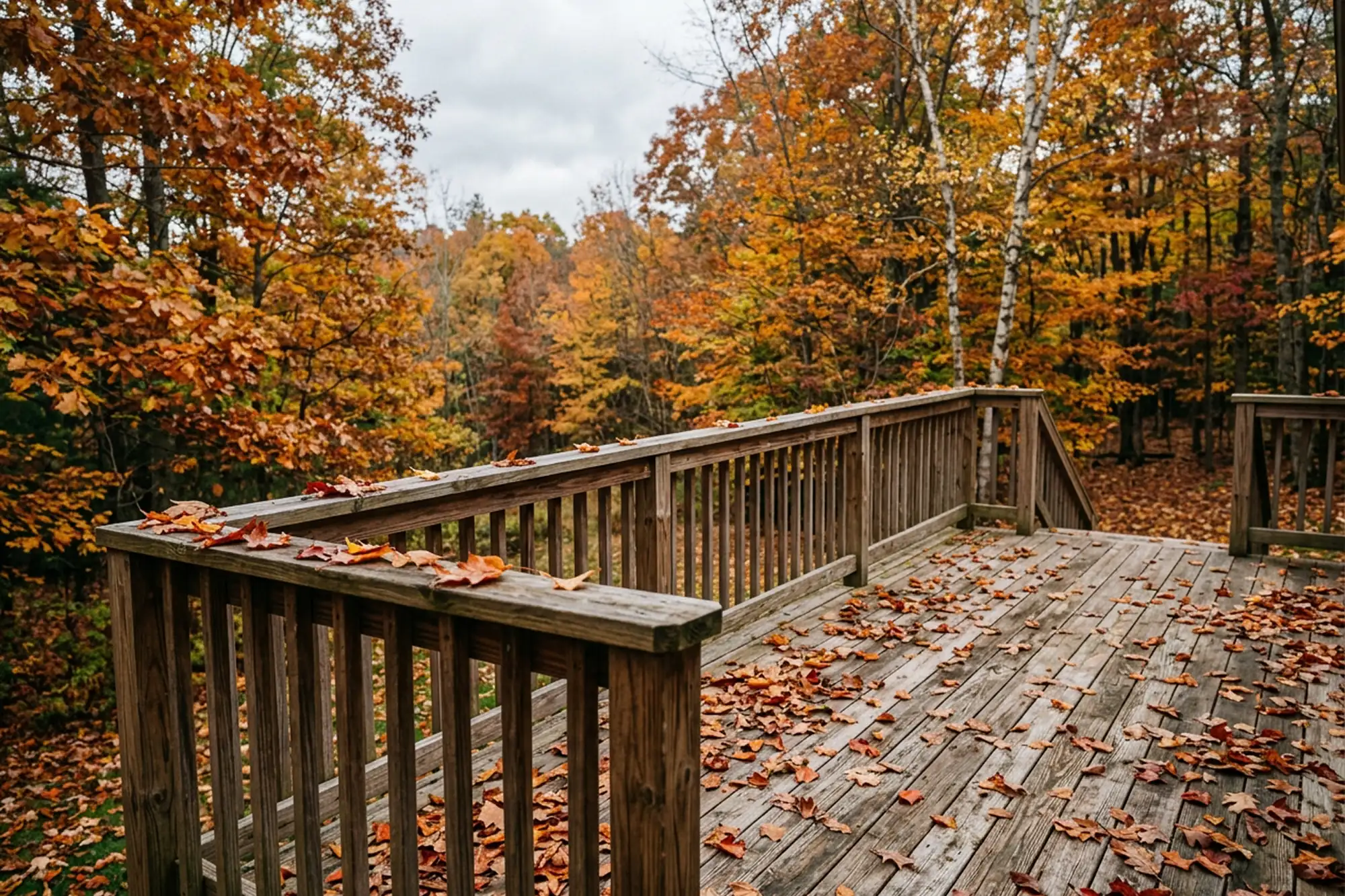
Outdoor structures need their own pass before winter, since snow load and freeze-thaw cycles are hard on anything built outside. Check deck boards for soft spots, popped nails or railings that have started to wobble, since moisture that gets into a soft spot only does more damage once it freezes, and clearing leaves and debris off the deck surface and away from its base helps everything dry out properly instead of holding moisture against the wood right through winter. Look at fence posts for movement at the base and check gate hinges while they’re still easy to adjust, since a post that’s shifted slightly in October usually just needs resetting, but the same post left through a winter of freeze and thaw can end up needing full replacement come spring. It’s a five-minute check that can save you a much bigger job later.
We’ve covered deck upkeep before in our post on deck repair in Trent Hills, and our fence maintenance tips post is a good companion checklist for the fence line specifically.
What Indoor Maintenance Shouldn’t Get Skipped?
Indoor maintenance before winter comes down to checking for drafts, inspecting drywall for cracks and handling small repairs before you’re stuck waiting on a fix in the middle of January. Walk through your home checking around outlets, baseboards and attic hatches, all common spots where warm air quietly escapes without you noticing until the furnace starts running constantly, and these are usually quick fixes once you know where to look.
Look over interior drywall for cracks or settling too, especially in older homes where a bit of seasonal movement is normal but still worth tracking, and it’s also worth checking basement corners and window wells for early signs of moisture. A small damp patch found in October is a much smaller job than the same problem discovered after a full winter of freeze and thaw pressing against your foundation.
If general repairs have been piling up on your list, our general home repair services page covers the kind of work we handle in a single visit, which is often more efficient than tackling one project at a time.
Fall Versus Spring – What’s the Real Difference?
Fall maintenance is about sealing up and protecting your home before winter arrives, while spring maintenance is about assessing what the season actually did and catching problems early. In fall, you’re hunting for gaps, weak points and anything winter could make worse, a loose shingle, an unsealed window, a fence post that’s already started to shift. In spring, the focus shifts to checking what snow, ice and freeze-thaw actually left behind, from eavestrough damage to cracked siding you couldn’t have predicted back in October. Running through both lists once a year, fall and spring, is the simplest way we know to stay ahead of the kind of repairs that turn into real money if they sit too long.
We cover the spring side of this in our spring home repair checklist.
Building a Simple Timeline for Fall Maintenance
The easiest way to get through this list is to spread it over a couple of weekends instead of trying to tackle everything in one day. Early October is the right time to walk the roofline, clear the eavestroughs and check your siding and fences, while the weather’s still mild enough to actually get up on a ladder or spend an afternoon outside without rushing, and this is also when small deck and fence repairs are easiest to handle, before the wood gets cold and brittle. By late October or early November, shift your attention indoors, seal up drafts, check your drywall and take care of anything on this list that’s easier to fix now than after months of cold. Once the ground freezes, a lot of exterior work goes on hold until spring, so anything left outstanding tends to sit there through the whole season, waiting.
Quick Referenc – What to Check, Area by Area
Here’s the whole walkthrough condensed into one table, so you can print it or check items off as you go.
| Area | What to Check |
| Roof | Missing or damaged shingles, especially near valleys, chimneys and vents |
| Eavestroughs | Clear of debris, pitched and securely fastened |
| Siding | Warped or loose panels, especially at corners and ground level |
| Windows and doors | Caulking intact, no gaps or drafts |
| Deck | Soft spots, popped nails, loose railings, debris cleared |
| Fence | Post movement at the base, gate hinges adjusted |
| Indoors | Drafts near outlets and baseboards, drywall cracks, basement moisture |
A little time spent on this list each fall goes a long way toward keeping small issues from turning into big ones by the time spring rolls around. If anything here turns up a problem you’re not sure how to handle, call us at (705) 977-4453 or email contact@renossance.ca and we’ll take a look before winter really sets in.

