Siding does two jobs at once. It protects the structure of your home from everything Ontario weather can throw at it – freeze-thaw cycles, driving rain, ice, UV – and it defines what the house looks like from the street. Get it right and it runs quietly in the background for decades. Get it wrong and you’re dealing with maintenance issues, moisture problems and a home that looks dated well before its time.
We’ve installed siding on homes across Trent Hills and the surrounding area in most of the major materials available. Vinyl, fibre cement, wood, steel – each one has a context where it makes sense and conditions where it doesn’t. This guide is the honest version of that comparison.
Why Siding Choice Matters More in Ontario Than in Other Climates
Ontario’s climate is harder on exterior cladding than most homeowners account for when they’re making a siding decision. The problem isn’t any single weather event – it’s the cumulative effect of cycling between freezing and thawing temperatures, sometimes multiple times in a single week during shoulder seasons.
Water gets into small gaps or micro-cracks in siding, freezes overnight and expands. That expansion widens the gap. More water gets in the next time it rains. Over a few winters, what started as a minor imperfection in the installation or the material becomes a path for moisture into the wall assembly behind the siding. By the time it shows up as interior damage, the problem has usually been building for years.
This is why both material selection and installation quality matter in Ontario in a way they might not in a drier or more temperate climate. A siding product that performs adequately in Vancouver can fail faster here. And a good product installed without proper sealing at the joints and penetrations will underperform regardless of what the material spec says.
Vinyl Siding – The Most Common Choice
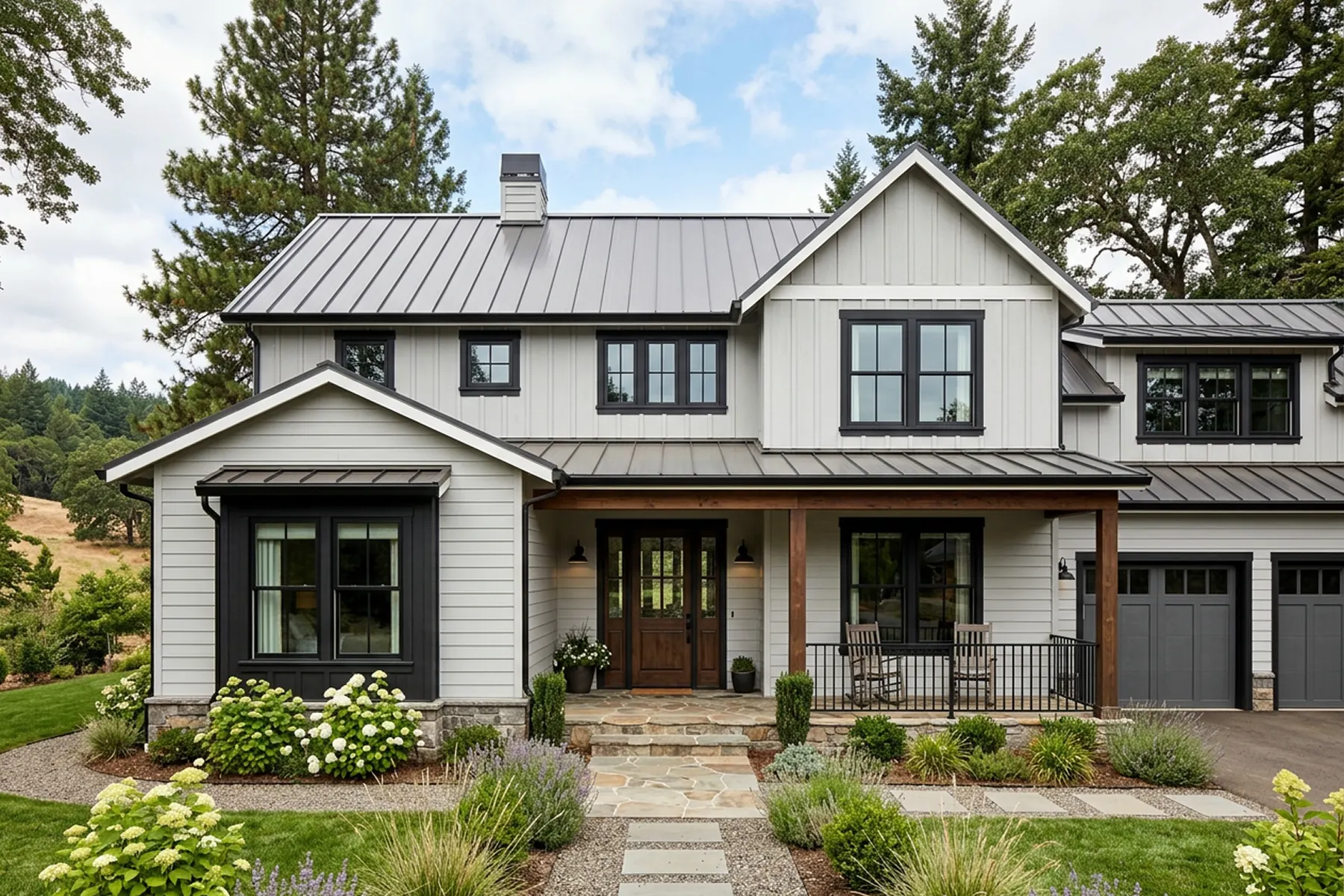
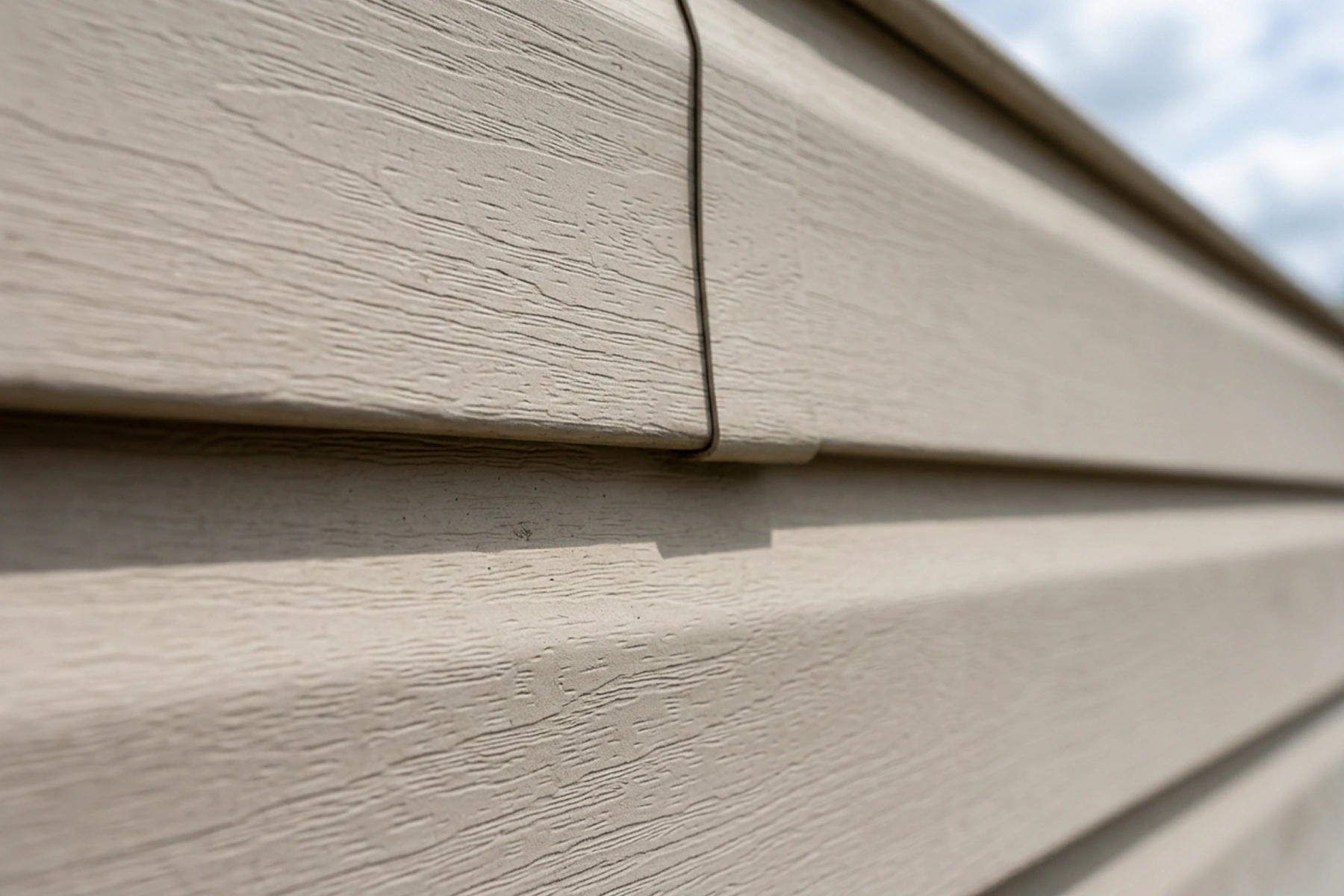
Vinyl is the most widely installed residential siding in Ontario and across Canada. That’s not an accident. It’s affordable, low maintenance, available in a wide range of profiles and colours and holds up reasonably well in Ontario’s climate when installed correctly.
The case for vinyl is straightforward. It doesn’t rot, it doesn’t need to be painted and it resists moisture at the surface level. Maintenance is limited to periodic cleaning. For homeowners who want a functional exterior without ongoing upkeep, vinyl is a reasonable choice at a price point that most budgets can accommodate.
The limitations are real though. Vinyl can fade over time, particularly in south-facing exposures with high UV. It becomes brittle in very cold temperatures and can crack on impact during winter. Cheaper vinyl products show these issues faster – thicker gauge vinyl with a better finish holds up significantly longer and is worth the modest price difference. Vinyl also has a visual ceiling. In most profiles, it reads as vinyl. That’s not a problem for most homes, but for older or heritage properties where the exterior character matters, it can be a compromise.
What To Look For In Vinyl Siding
- Thickness: .044″ or thicker for residential applications
- Fade-resistant finish, particularly for south and west-facing walls
- Proper J-channel and trim work at all openings – this is where vinyl installations most commonly fail
- Adequate expansion gaps – vinyl moves significantly with temperature change and needs room to do so
Fibre Cement – The Premium Option Worth Knowing About
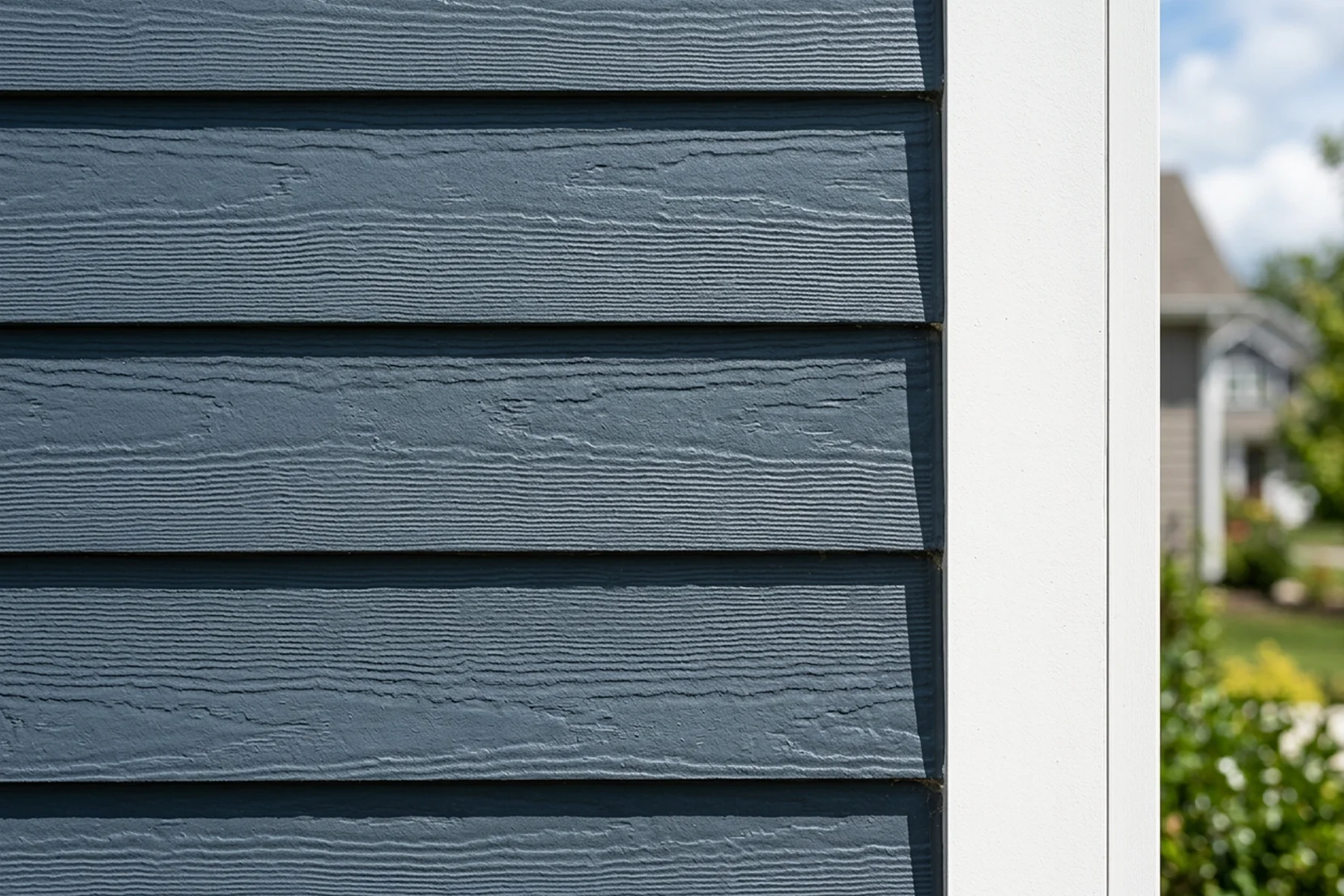
Fibre cement – most commonly known by the brand name James Hardie – has become the go-to premium siding choice across Ontario for good reason. It’s composed of cement, sand and cellulose fibres, which gives it a combination of properties that no other siding material matches: it doesn’t rot, it doesn’t burn, it’s dimensionally stable through temperature changes and it takes paint exceptionally well.
The visual result is closer to wood than vinyl achieves. Fibre cement comes in lap profiles, panel formats and shingle styles – all of which hold their detail through painting and repainting in a way that vinyl simply can’t replicate. For homeowners who want a premium exterior that photographs like wood but doesn’t require wood’s maintenance, fibre cement is the answer.
The trade-offs are cost and weight. Fibre cement costs significantly more than vinyl – both in material and installation, since the weight of the product requires more care during handling and fastening. It also needs to be painted, which vinyl doesn’t, and that paint needs to be refreshed every 10 to 15 years. That’s far less maintenance than real wood but more than vinyl.
We recommend fibre cement for homeowners who are making a long-term investment in the home’s exterior and want a result that holds its quality over decades. It’s not the right call for every budget, but for the right project it’s the most durable and visually satisfying option available.
Wood Siding- Real Character, Real Commitment
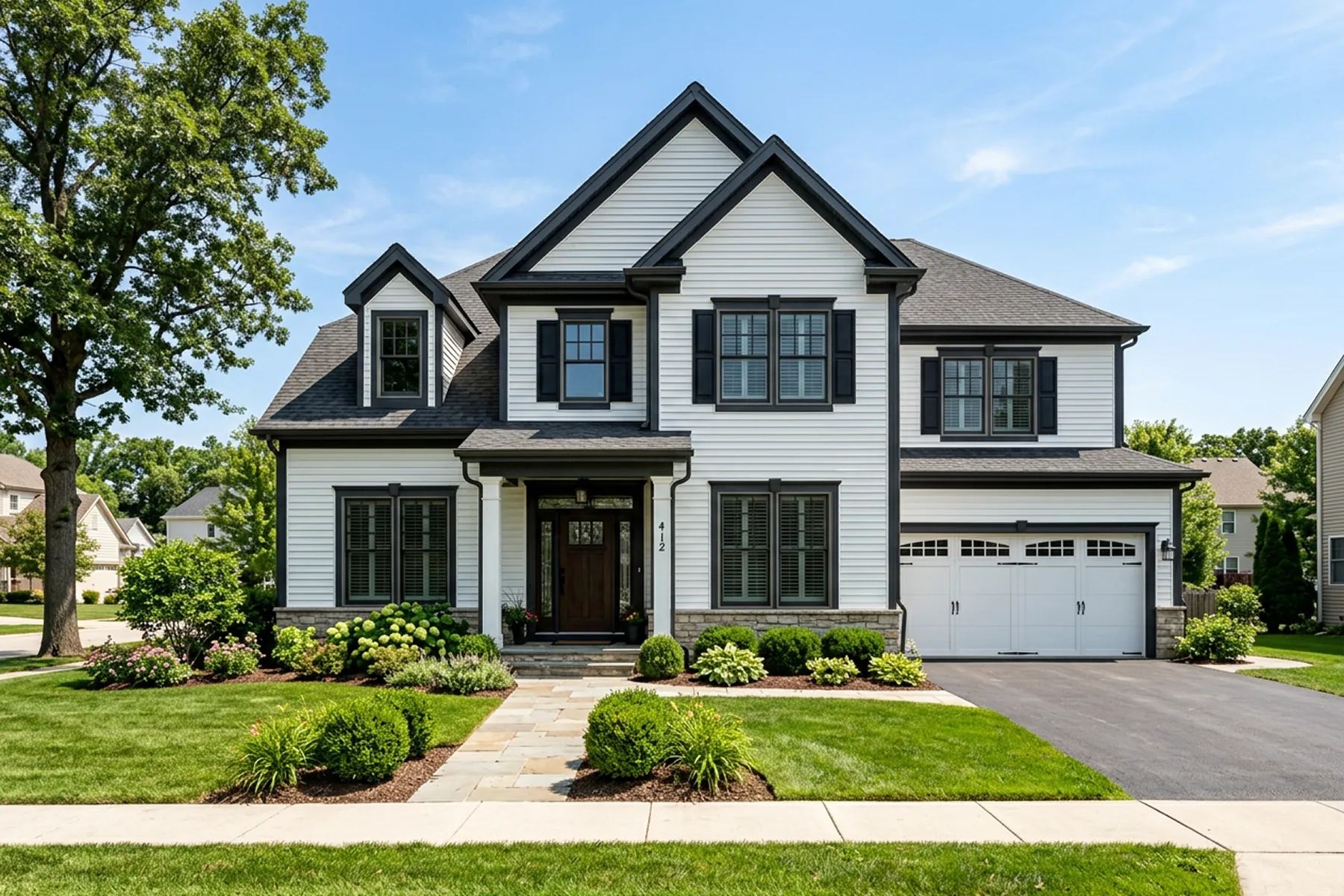
Wood siding is the original and it still has qualities that no synthetic material fully replicates. The texture, the depth of grain, the way it takes stain – these are genuine advantages for homeowners who value the aesthetic of real wood and are willing to maintain it.
The maintenance requirement is not optional. Wood siding needs to be painted or stained on a regular cycle – typically every 5 to 7 years depending on exposure – and any damage needs to be addressed promptly before moisture gets behind the finish. In Ontario’s climate, wood siding that’s maintained well performs admirably. Wood siding that’s neglected deteriorates faster than any other cladding material.
We see wood siding most often on older homes in Warkworth and other communities where character and heritage matter. In those contexts, maintaining or replacing with matching wood siding is often the right call to preserve the home’s visual integrity. For new construction or full re-sides on modern homes, fibre cement delivers a similar aesthetic with significantly less long-term maintenance. The choice between them comes down to how much the authentic material matters versus how much maintenance the homeowner is willing to take on over the life of the home.
Steel Siding – The Underused Option
Steel siding doesn’t come up as often as it should in residential conversations. It’s extremely durable, fire-resistant, dimensionally stable and handles Ontario winters without the brittleness issues that vinyl can develop. It’s more common in agricultural and commercial applications but is available in residential profiles and is worth considering for homes in exposed rural locations where durability is the primary concern.
The limitations are cost – steel siding sits in the same range as fibre cement or above – and the fact that it can dent on impact, which is difficult to repair invisibly. It’s not the right choice for every home but deserves a place in the conversation for homeowners prioritizing longevity above all else.
What the Installation Gets Wrong Most Often
Material choice matters. Installation matters more. We’ve seen quality siding products fail within a few years because the installation didn’t account for the conditions it was going into. The material gets the blame but the installer made the call that caused the failure.
The most common installation failures we see:
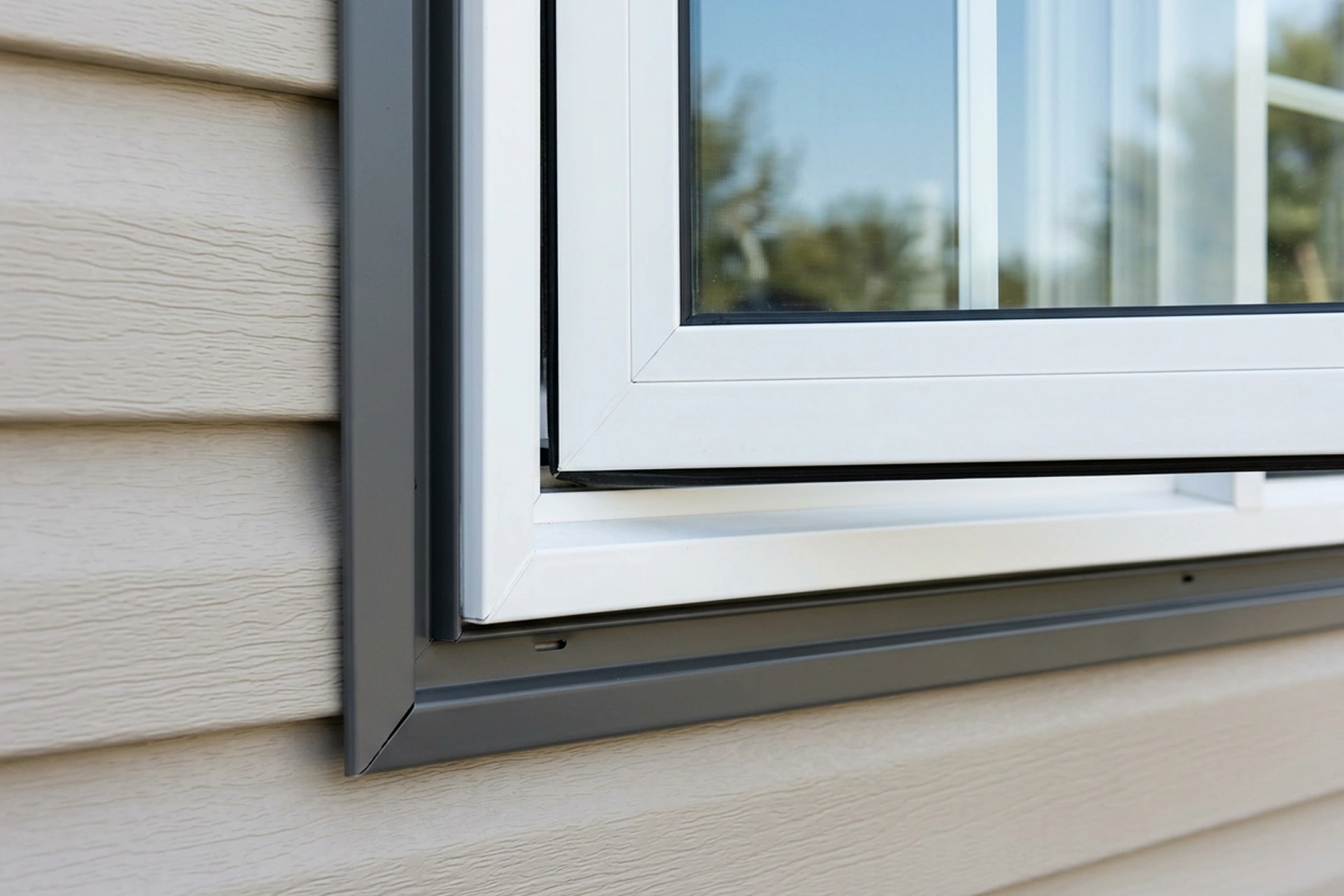
- Improper flashing at windows and doors: Water gets in at the corners where siding meets trim and works its way into the wall cavity. This is the number one source of moisture damage behind siding in Ontario homes
- Missing or inadequate house wrap: The weather-resistive barrier behind the siding is the last line of defence when surface water gets past the cladding. Skipping it or tearing it during installation compromises the whole assembly
- Insufficient expansion allowance in vinyl: Vinyl expands and contracts more than most people realize. Siding installed tight to trim in cold weather will buckle in summer
- Fastening through the face: Most siding profiles are designed to be nailed through a slot, not face-nailed. Face nailing restricts movement and causes buckling and cracking over time
A siding job that’s done right doesn’t create problems for the wall behind it. That’s the standard we hold every installation to.
What Renossance Does
We handle siding installation and repair across Trent Hills and the surrounding area – Campbellford, Hastings, Havelock, Marmora, Norwood, Warkworth and Stirling. Vinyl, fibre cement and wood siding – full re-sides, partial replacements and repairs. We assess the existing wall assembly before recommending a product and make sure the installation is done to last.
We’re a general contractor service, insured and bonded, with 7+ years of hands-on experience in exterior cladding and home renovations.

