A good fall home maintenance checklist for Ontario covers the roof, the eavestroughs, the ground around your foundation, your doors and windows, your outdoor structures and a handful of jobs inside the house. The idea is simple: find the small weak spots now, while the weather still lets you fix them, so winter doesn’t find them first. Ontario winters are hard on houses because of the constant swing between freezing nights and milder days, and that cycle opens up any gap water can reach. Most of what follows takes an afternoon or two, and none of it needs special tools.
We put this list together from what we see on real jobs every spring, when homeowners call us about damage that started as something minor the fall before. A loose shingle, a clogged downspout or a door that never quite sealed turns into a much bigger repair after a few months of snow and ice. If you work through this list before the first hard frost, you’ll head off most of those calls. And if you find something you’d rather not tackle yourself, that’s what we’re here for.
Why Does Fall Matter So Much for Ontario Homes?
Fall matters because it’s the last window when exterior repairs are easy, and because Ontario’s freeze-thaw cycle punishes anything left undone. Water gets into a small crack during a mild afternoon, freezes overnight and expands, and that pushes the crack a little wider each time. Over a winter that happens again and again, so a hairline gap in October can be a real leak by March. Once the ground freezes and snow covers the roof, a lot of exterior work simply has to wait until spring. That’s why we’d always rather see a homeowner spend a Saturday on the house in October than face a much bigger bill in April.
If you live in our part of the province, our fall checklist for Trent Hills homeowners looks at the same season through the lens of rural properties, heavy tree cover and exposed rooflines.
Where Should You Start on the Outside of Your House?
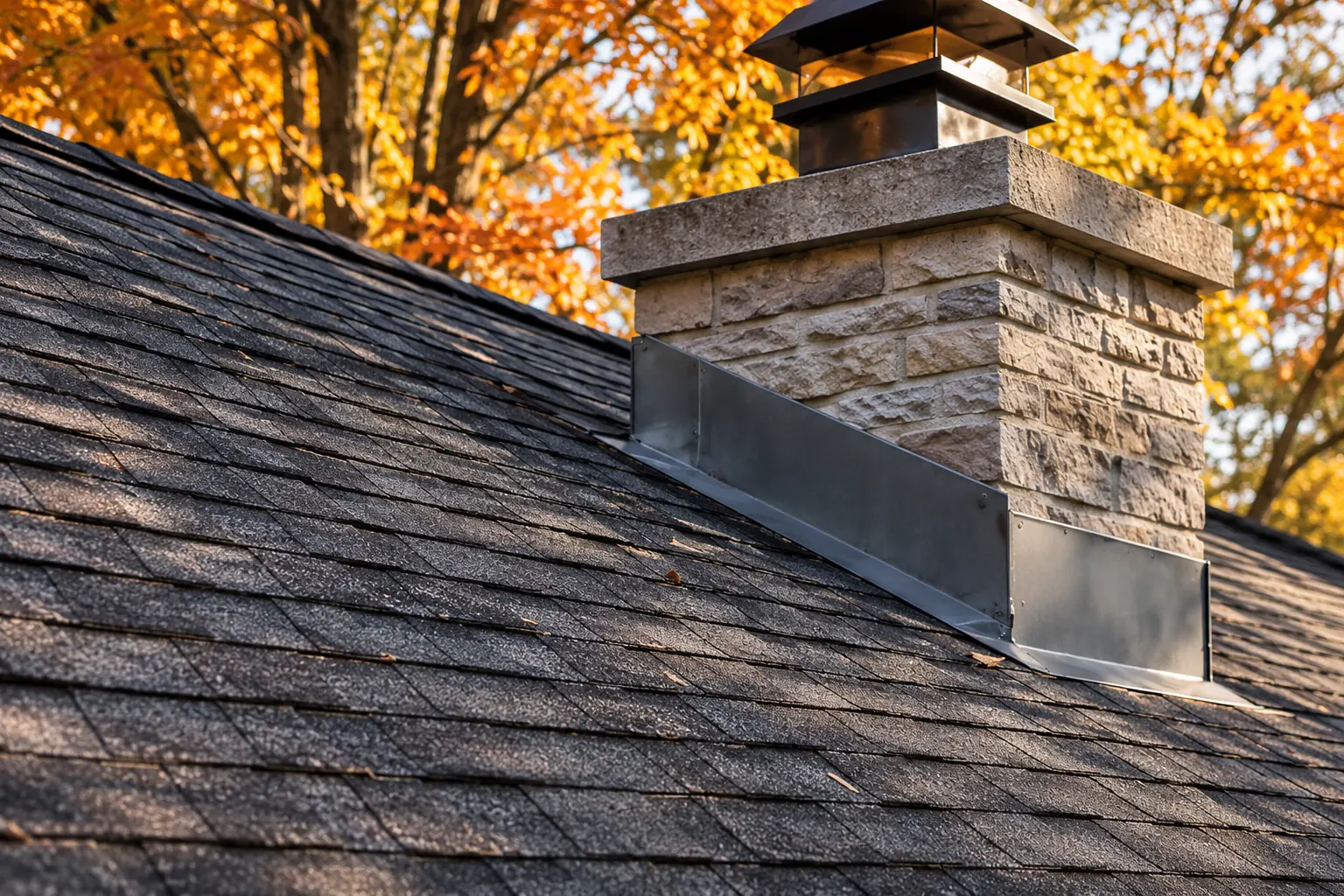
Start at the top and work down, because water always travels downward and the roof is where most winter trouble begins. The roof and the eavestroughs work as one system, carrying rain and snowmelt off the house and away from the walls. If either one fails, the water ends up somewhere it was never meant to go. A slow walk around the house with your eyes on the roofline is the best first step on any fall checklist.
Your Roof and Flashing
From the ground, look for shingles that are missing, cracked or curling at the edges, and for dark patches where the granules have worn away. Pay close attention to the metal flashing around chimneys, vents and skylights, since those joints are where leaks start most often. A pair of binoculars makes this easy without anyone climbing a ladder. If you spot damage, get it repaired before snow settles on the roof, because snow sitting on a weak spot keeps feeding water into it for weeks.
We cover this in more detail in our post on what to fix on your roof before winter, and the advice holds for homes right across Ontario.
Your Eavestroughs and Downspouts
Once the leaves have mostly come down, clean out your eavestroughs and flush each downspout with a garden hose to make sure water runs freely. Clogged eavestroughs hold water that freezes solid, and that frozen weight can pull a section right off the fascia. Check that every section slopes toward a downspout and that the hangers are still tight. While you’re up there, look for drips at the seams and corners, since those are the first places a tired eavestrough starts to leak.
If yours are past the point of a simple cleanout, our eavestrough installation and repair page explains what a proper fix looks like.
How Do You Keep Water Away From Your Foundation?
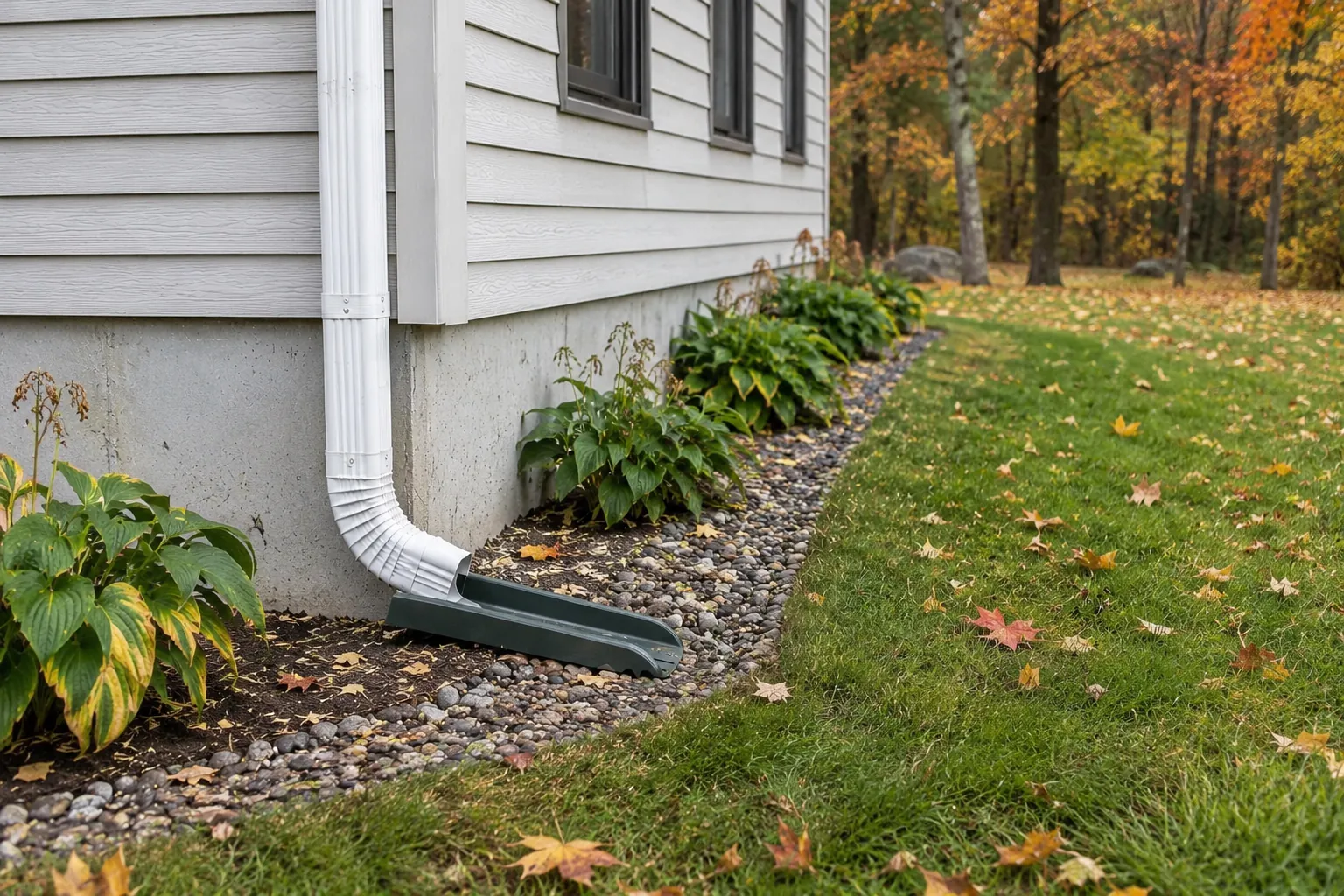
Keeping water away from your foundation comes down to three things: downspouts that discharge well away from the house, soil that slopes away from the walls and window wells that stay clear. Downspouts that empty right beside the foundation send all that roof water straight to the spot you least want it. A simple extension or splash block that carries the water a few feet out makes a real difference. Walk around the house and look at the ground too, because soil that has settled into a dip next to the wall will hold water against the foundation instead of shedding it. Clear leaves out of basement window wells and check that their covers are in place, since a window well full of snow and meltwater is a common way water finds its way into a basement.
What Should You Check on Your Doors, Windows and Siding?
Your doors, windows and siding are the first line of defence against wind, cold and blowing snow, so you’re looking for any gap where air or water could get through. A drafty door or a window with failing caulk lets heat out all winter long and can let moisture into the wall around it. Siding that has cracked or come loose gives wind driven rain and snow a way behind it. None of these are hard to check, and most of them are quick to fix if you catch them early.
Doors and Weatherstripping
Close each exterior door and look around the edges for daylight, then feel for moving air on a windy day. Weatherstripping that has flattened, torn or come loose is cheap to replace and makes a noticeable difference to comfort. Check the door sweep at the bottom too, since that’s often the biggest gap of all. If a door sticks, won’t latch properly or lets in light no matter how you adjust it, the problem may be the door or the frame itself rather than the seal.
Our post on how to know it’s time to replace your exterior door walks through the signs that point past a simple repair.
Windows and Siding
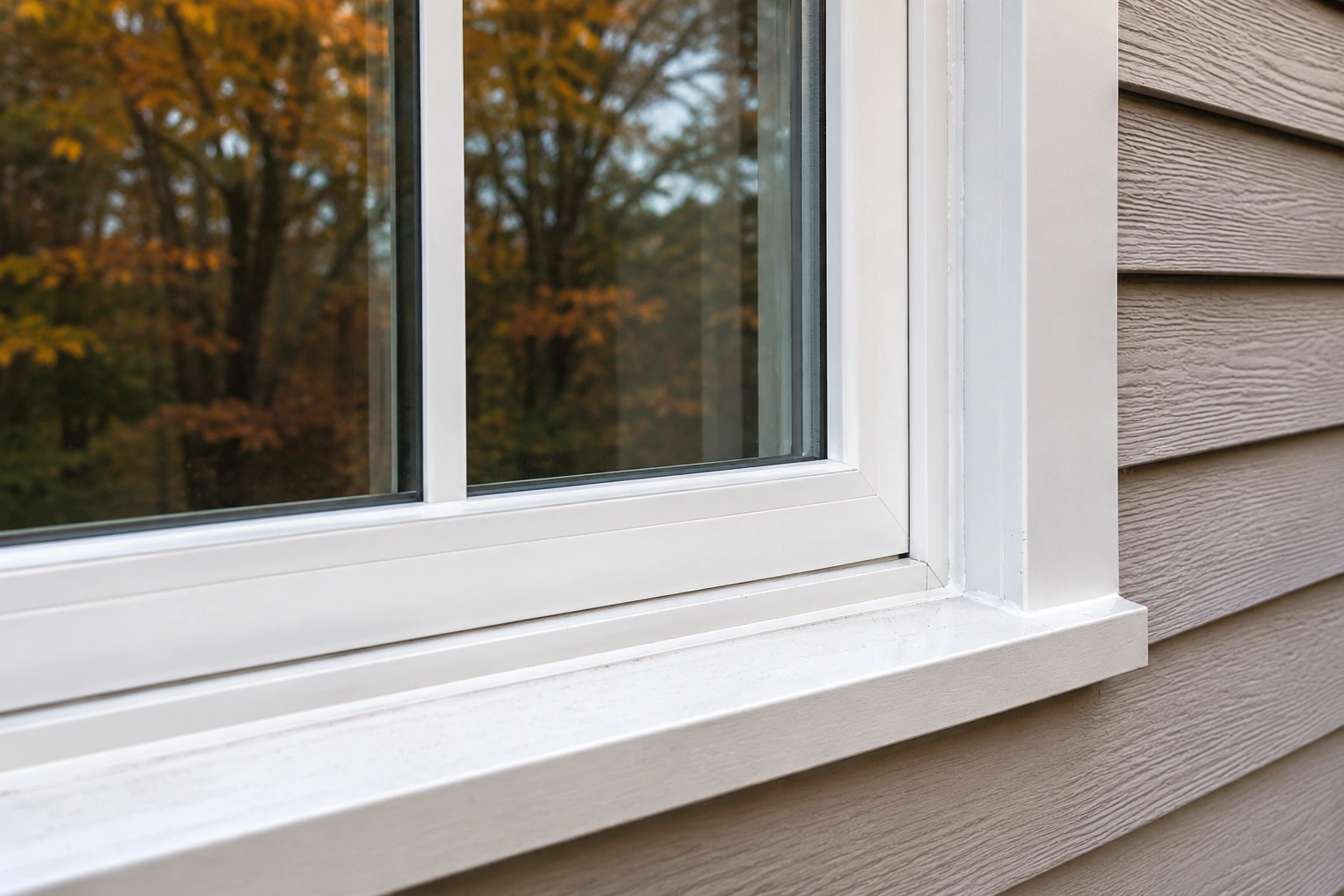
Run your eye along the caulking around each window frame, looking for cracks, gaps or spots where it has pulled away. Old caulk can be cut out and replaced in an afternoon, and it’s one of the cheapest ways to keep cold air and water out of the wall. On the siding, look for panels that are cracked, warped or loose, especially near the ground and around corners where the weather hits hardest. A loose panel can catch the wind in a winter storm and tear free, so it’s far better to secure it now than to chase it across the yard in January.
How Do You Get Your Deck and Fence Ready for Winter?
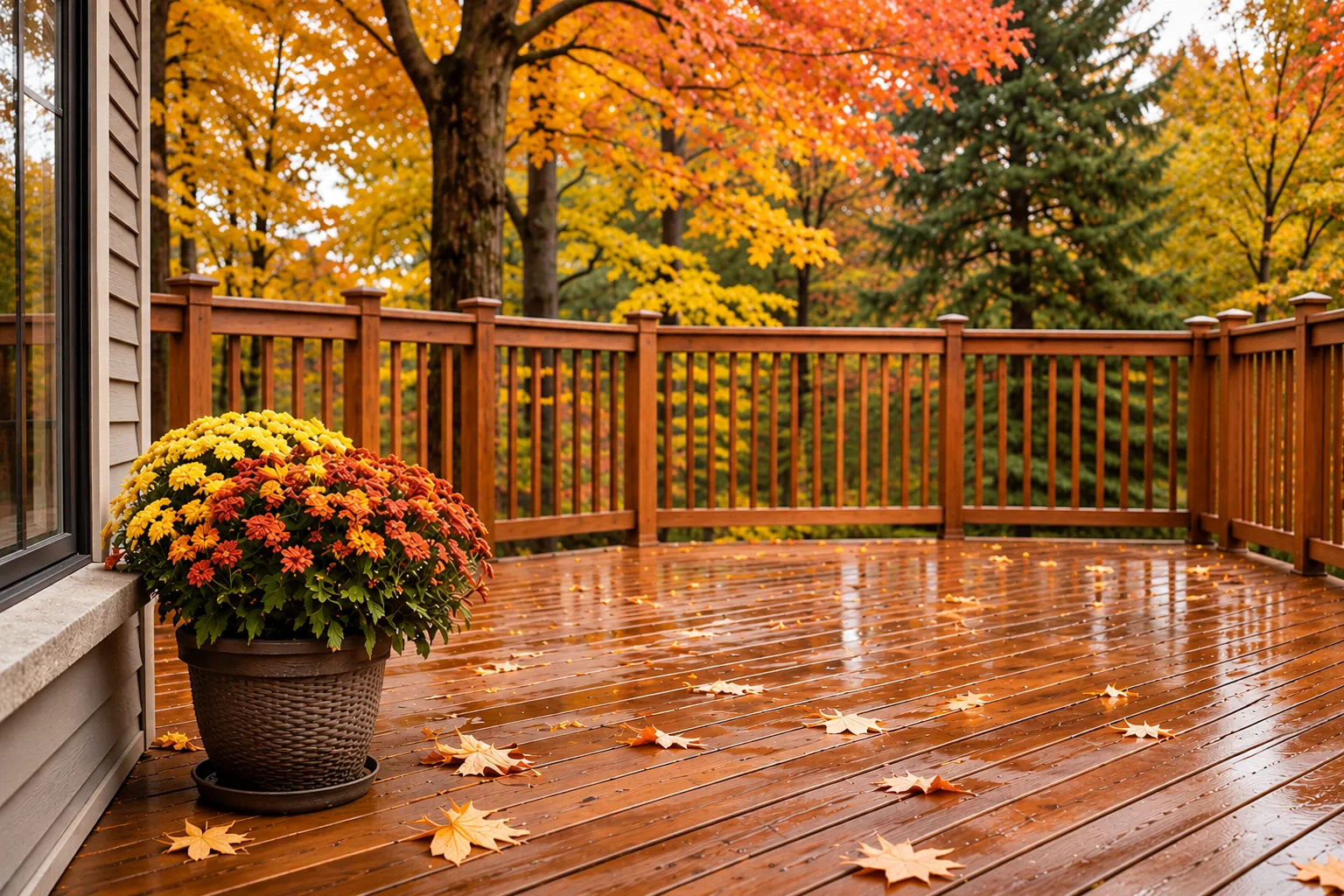
Getting your deck and fence ready means clearing them off, checking for soft or loose spots and dealing with anything that could get worse under snow. Sweep leaves and debris off the deck boards and out of the gaps between them, because wet leaves trap moisture against the wood all winter. Look for soft boards, popped nails, wobbly railings and stairs that move underfoot, and fix those before ice makes them dangerous. Move planters and furniture off the deck surface or raise them up so the wood underneath can dry. On the fence, push gently on each post and check that gates still swing and latch, since a post that leans in fall usually leans further after the ground freezes and thaws.
Which Indoor Jobs Belong on a Fall List?
The most important indoor job is shutting off and draining the water supply to your outdoor taps, because a frozen pipe behind an exterior wall can split and flood the space around it. Find the shutoff valve for each outdoor tap inside the house, close it and then open the tap outside so any water left in the line can drain. Disconnect garden hoses too, since a hose left attached can hold water in the tap and cause the same problem. After that, take a walk through the basement and look for damp spots, stains or musty smells, which are all early signs that water is finding a way in. Check interior walls and ceilings for new cracks, and test your smoke and carbon monoxide detectors before the heating season gets going.
Your Fall Checklist at a Glance
Here’s the whole list in one table, so you can print it out or keep it on your phone while you walk around the house. We’ve grouped the jobs by area and added a rough idea of when each one fits best. Ontario weather varies a lot from one end of the province to the other, so treat the timing as a guide and adjust it to what’s happening outside your own door. The goal is to have everything done before the first hard freeze settles in.
| Area | What to Do | Best Time |
| Roof | Check shingles and flashing from the ground | Early fall |
| Eavestroughs | Clean out, flush downspouts, check slope and hangers | After most leaves fall |
| Foundation | Extend downspouts, check grading, clear window wells | Early to mid fall |
| Doors | Replace worn weatherstripping and door sweeps | Mid fall |
| Windows and siding | Recaulk gaps and secure loose panels | Mid fall |
| Deck and fence | Clear debris, fix loose boards and railings, check posts | Early fall |
| Outdoor taps | Shut off, drain and disconnect hoses | Before the first frost |
| Inside | Check the basement for damp and test detectors | Late fall |
When Should You Call in a Professional?
Call in a professional when a repair needs a ladder on the roof, involves anything structural or keeps coming back after you’ve fixed it once. Roof work and high eavestrough repairs carry real risk, and a fall from a ladder is never worth the money saved. Problems that return, like a leak that keeps showing up in the same spot, usually have a cause that isn’t obvious from the surface. A professional can find that cause instead of patching the symptom one more time.
At Renossance we take care of a wide range of these jobs through our general home repair services, and we’d much rather fix a small problem in the fall than a big one in the spring.
A fall checklist doesn’t have to be a chore. Work through it over a couple of weekends, take care of the small things as you find them and your house will be in much better shape when the snow arrives. If anything on the list turns up a problem you’d rather hand off, call us at (705) 977-4453 or email [email protected] and we’ll come take a look.

