Your front door takes a beating every single day — rain, wind, freezing Ontario winters and years of opening and closing. Most homeowners don’t think about it until something goes wrong. By that time, the door has already been costing them money in heating bills, security risks and wasted weekends trying to fix something that should have been replaced months ago.
So how do you actually know when it’s time? Not “soon” — but now. Here’s a practical guide to reading the signs.
Your Home Is Losing Heat Through the Door Frame
Energy loss is one of the most common — and most expensive — reasons to replace an exterior door. The problem is it’s also one of the hardest to see.
Stand near your front door on a cold day. If you feel a draft, that’s air coming in through gaps in the weatherstripping, the frame or the door slab itself. Older doors, especially wood ones, expand and contract with temperature changes. Over time, that movement creates gaps that no amount of weatherstripping can fully seal. Your furnace runs longer. Your bills go up. The fix isn’t caulking — it’s replacement.
Signs Of Heat Loss To Check Right Now
- You can feel cold air around the door frame when it’s closed
- Your heating bill has climbed without an obvious explanation
- Condensation or frost is forming on the inside of the door or glass
- The door has visible gaps when you look at it from the outside
A well-insulated replacement door — fiberglass or steel — can make a measurable difference within the first heating season. That’s not marketing speak. It works.
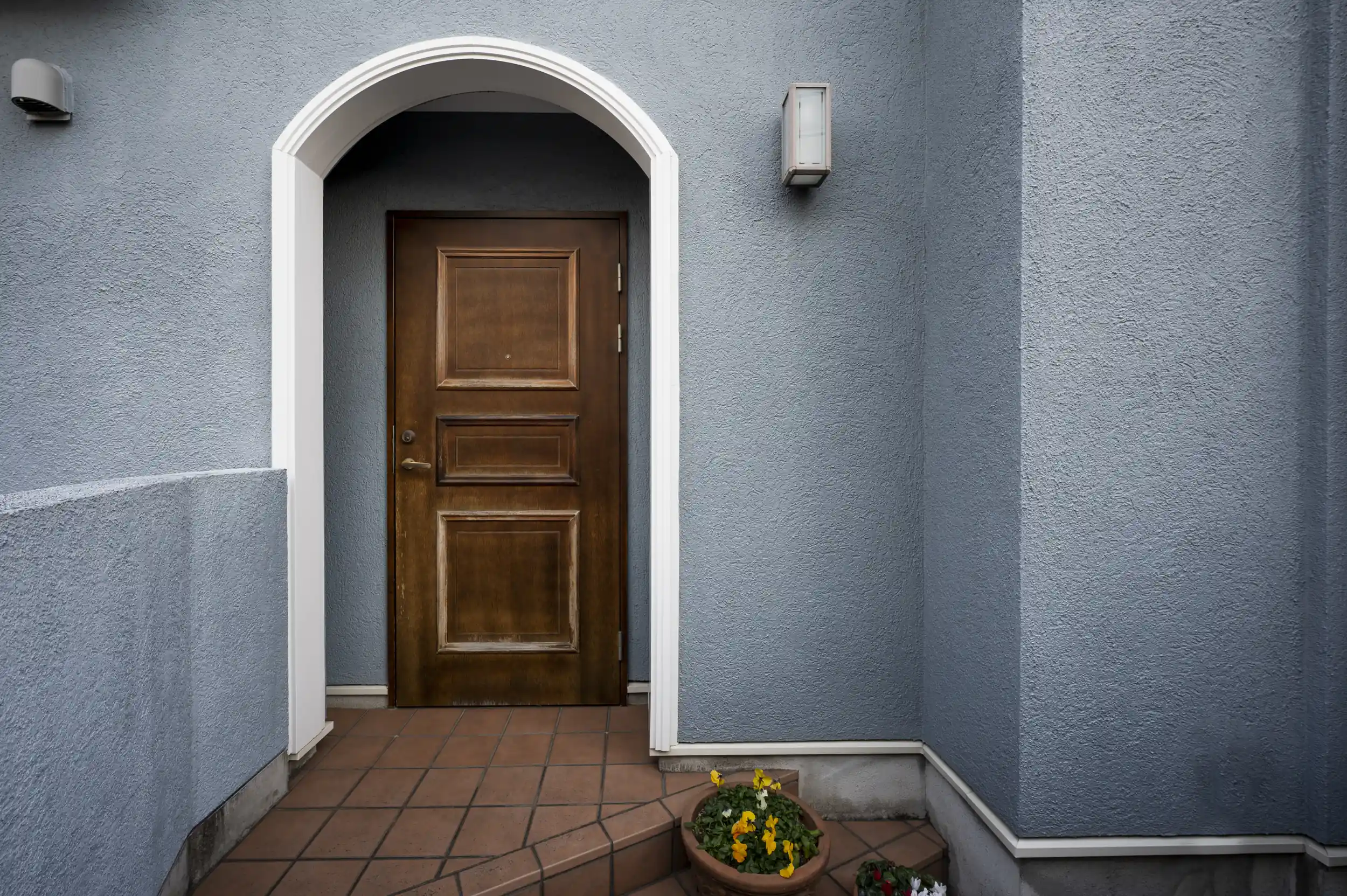
The Door Is Damaged and No Longer Functions Properly
A door that doesn’t close properly isn’t just annoying — it’s a safety issue. If your door sticks, drags along the floor or won’t latch without force, something has shifted. It could be the frame, the foundation settling or the door itself warping over time.
Minor adjustments to hinges or strike plates can sometimes help. But if the door frame is rotting, if the door has swelled beyond what hardware can fix or if you’re forcing it shut every time you leave the house, repairs are just delaying the inevitable.
Common Damage That Means Replacement — Not Repair
- Visible rot or soft spots on a wood door or frame
- Cracks or dents that have compromised the door’s structure
- Door won’t close flush or latch without significant effort
- Water stains or moisture damage inside the door slab
Wood rot spreads. A frame that looks like a small problem in the fall can be a much bigger one by spring. Catching it early saves money on both the door and the surrounding structure.
Security Has Become a Concern
An older door can look solid and still be easy to breach. This is especially true for doors with outdated lock systems, thin panels or hollow cores. Most people assume that as long as the deadbolt works, the door is secure. That’s not always the case.
The weakest point on most residential doors isn’t the lock — it’s the frame around it. A hollow wood frame with a single strike plate and two short screws offers very little resistance. A solid kick near the latch is often all it takes. That’s a frustrating reality, but it’s also a fixable one.
What To Look For
- The door is hollow-core — these offer very little resistance
- The deadbolt is old, loose or was installed without reinforced hardware
- The frame around the lock has cracked, split or shows signs of past forced entry
- The door has single-pane glass that sits close to the lock
Modern exterior doors are built with security in mind: reinforced frames, multi-point locking options and impact-resistant materials. Steel and fiberglass doors with reinforced frames and longer strike plate screws — 3 inches minimum — are a significant step up from what most older homes have. If your current door doesn’t meet that standard, it’s worth thinking seriously about replacing it — not just upgrading the lock.
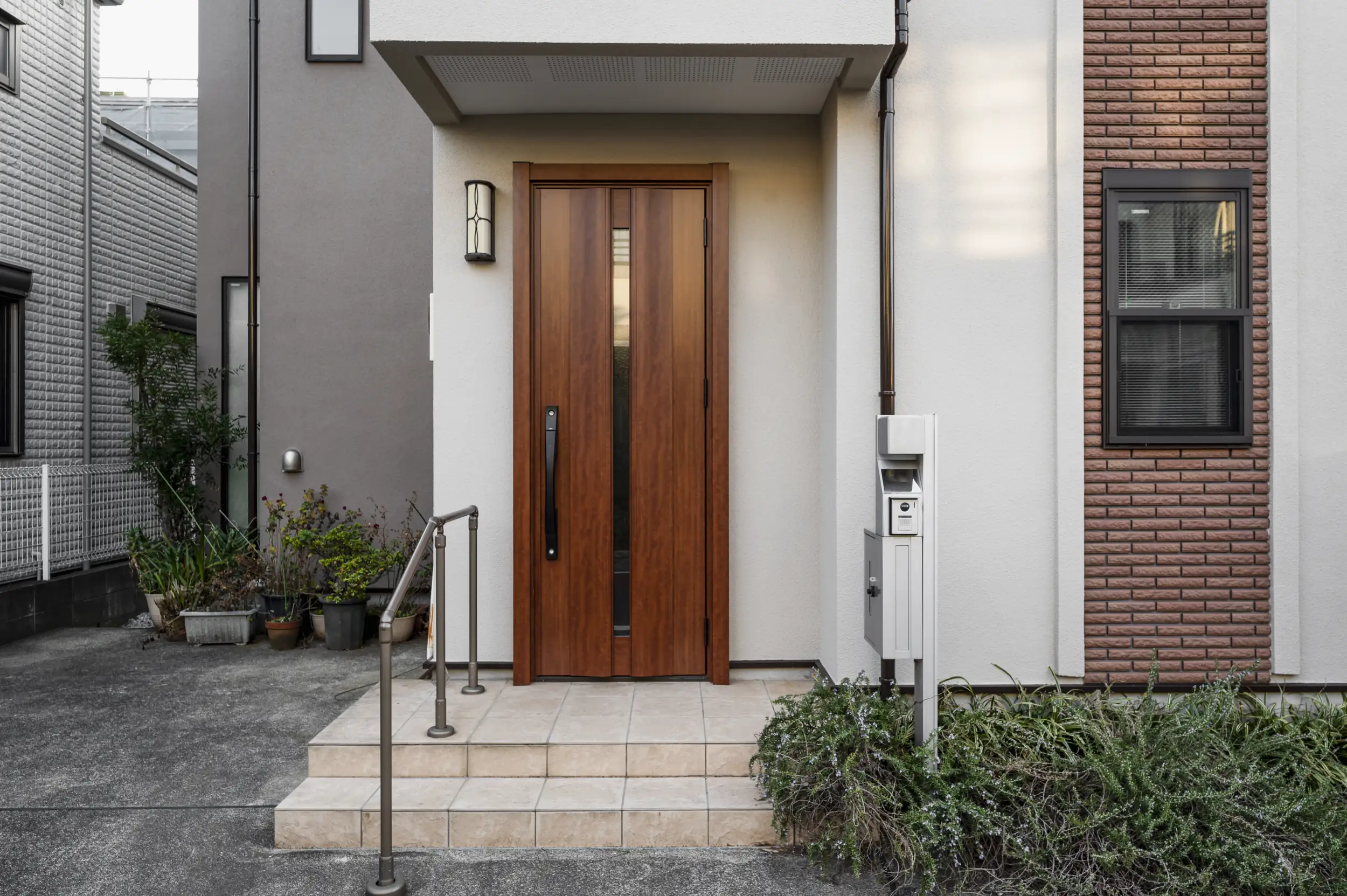
The Door Is Showing Its Age on the Outside
Curb appeal matters more than people admit. Your front door is the first thing visitors see and one of the first things a buyer notices. A door that’s faded, peeling, warped or just visually tired can drag down the look of an otherwise well-kept home — even if everything else is in great shape.
Paint peeling off a steel door is a sign that the factory finish has failed and moisture is starting to work its way in. A wood door that’s discoloured or cracked has lost its protective coating — and it’s only going to look worse from here. You can repaint, but if the underlying material is compromised, you’re just covering up the problem for another season.
There’s a practical side to this too. A new door increases perceived home value. Entry door replacement consistently ranks among the top projects for return on investment. It’s one of the few upgrades that pays you back both in daily function and resale value.
Material Matters Here Too
Different door materials age differently, and knowing what you have helps you make the right call:
- Steel doors are durable but prone to dents and surface rust when the finish fails
- Fiberglass doors hold up well in Ontario’s climate — they don’t warp, crack or rust and can be finished to look like wood
- Wood doors look beautiful when maintained but require more upkeep and are the most vulnerable to moisture over time
If your door is wood and hasn’t been refinished in more than 3–4 years, moisture damage may already be working its way in — even if it’s not visible yet.
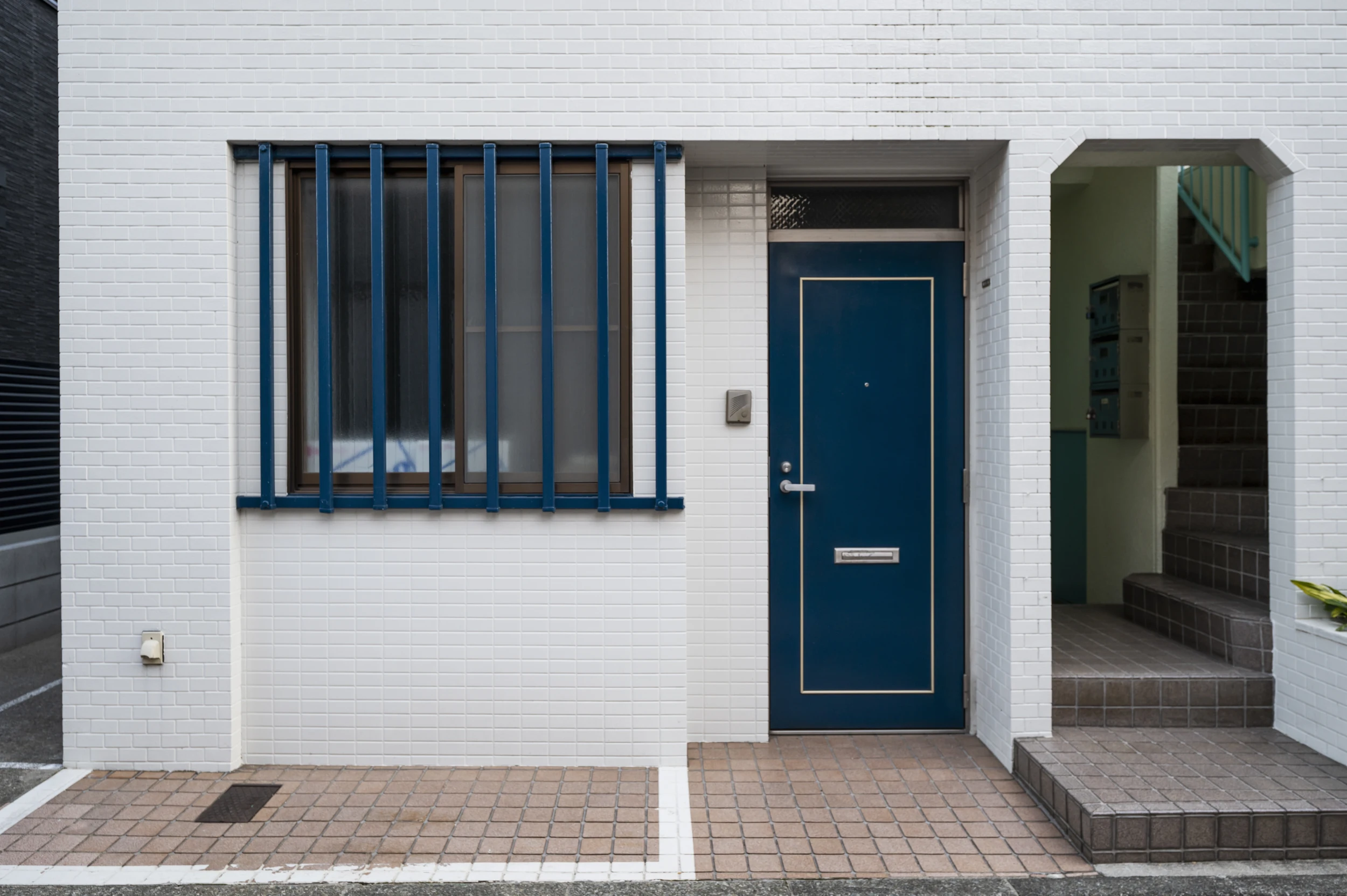
When Repairs Stop Making Sense
Here’s the honest trade-off: some door problems are worth fixing. A broken handle, a stiff hinge, a damaged threshold — these are repairs. But when you’re patching the same issues season after season, the math stops working in your favour.
A basic exterior door replacement in Ontario typically runs between $800 and $2,500 installed, depending on the door material and the complexity of the frame work. That range covers most standard entry door swaps. More complex jobs — like replacing a door with a sidelight, upgrading to a steel frame or dealing with an out-of-square opening — will sit toward the higher end. Compare that against years of higher heating bills, ongoing repair costs and the security risk of a compromised entry point. In most cases, replacement wins.
The deciding question is simple: if you fixed this today, would the problem stay fixed? If the answer is no, you already have your answer.
How Long Should an Exterior Door Last?
A quality exterior door — properly installed and maintained — should last 20 to 30 years. Steel and fiberglass doors tend to outlast wood in Ontario’s climate because they handle moisture and temperature swings better. Wood doors can last just as long, but only with consistent upkeep: refinishing every few years, checking weatherstripping annually and keeping the bottom of the door protected from standing water.
Most doors that fail early do so because of one of two things: poor installation or deferred maintenance. A door that wasn’t installed level, or that had its weatherstripping left to deteriorate for years, will show problems well before the 20-year mark. That’s worth keeping in mind if you’re buying an older home and aren’t sure when the door was last replaced.
A Quick Age-Check Checklist
- Does the door have a label or stamp inside the frame? Some manufacturers include installation dates
- When was the home built, and has the door ever been replaced?
- Is the weatherstripping original — stiff, cracked or compressed flat?
- Has the door ever been resealed, repainted or refinished?
If you can’t answer these questions and the door is showing any of the signs above, it’s reasonable to assume it’s due for replacement.
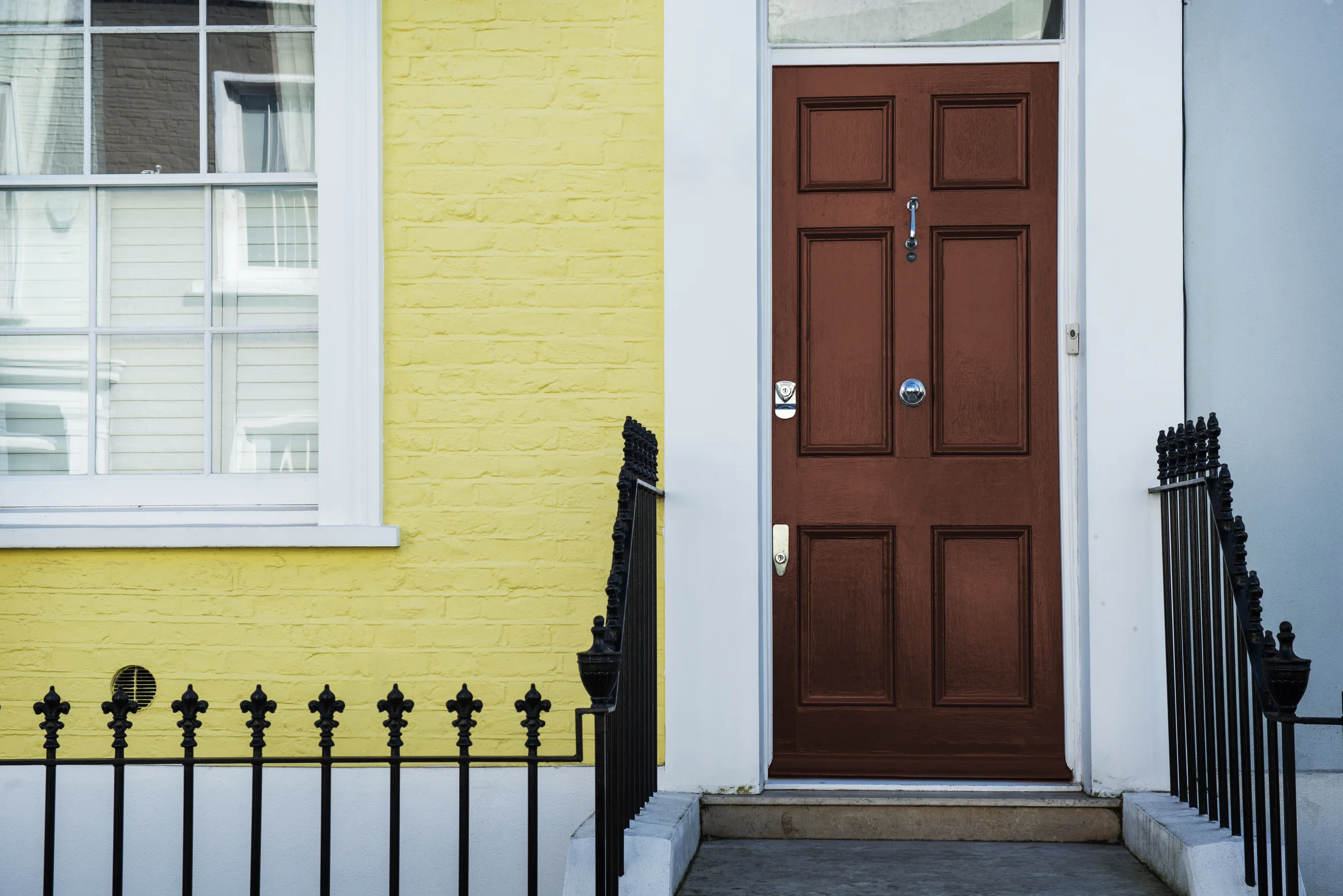
What Renossance Does
At Renossance, we handle full door and window replacements across Trent Hills and the surrounding area — Campbellford, Hastings, Havelock, Marmora, Norwood, Warkworth and Stirling. We assess the existing frame, recommend the right door for your home and handle the installation from start to finish.
We’re a general contractor service, insured and bonded, with 7+ years of hands-on experience in home renovations. No subcontractors showing up to quote one thing and do another.
If your door is giving you trouble — or you just want an honest opinion on whether it needs replacing — give us a call.

