Most roof problems don’t announce themselves. There’s no alarm, no obvious moment when something goes wrong. The damage happens quietly — a shingle lifts after a windstorm, a flashing seam opens up over a summer of expansion and contraction, a small soft spot in the decking gets a little softer every time it rains. By the time you notice water on the ceiling, the problem has usually been building for months.
In Trent Hills, the timing matters more than most places. Once temperatures drop below zero and the ground freezes, roof repairs get harder, more expensive and in some cases impossible until spring. What costs a few hundred dollars to fix in October can turn into a full-section replacement by April. We’ve seen it happen more than once — a homeowner who held off on a small repair ends up replacing half a roof in the spring because water got in and froze.
Why Ontario Winters Are Hard on Roofs
A roof that handles rain just fine can fail under winter conditions for reasons that have nothing to do with its overall quality. The freeze-thaw cycle is the main culprit. Water gets into a small crack or gap, freezes overnight and expands. That expansion widens the gap. More water gets in. It freezes again. Over a winter with a dozen freeze-thaw cycles, a minor flaw becomes a significant opening.
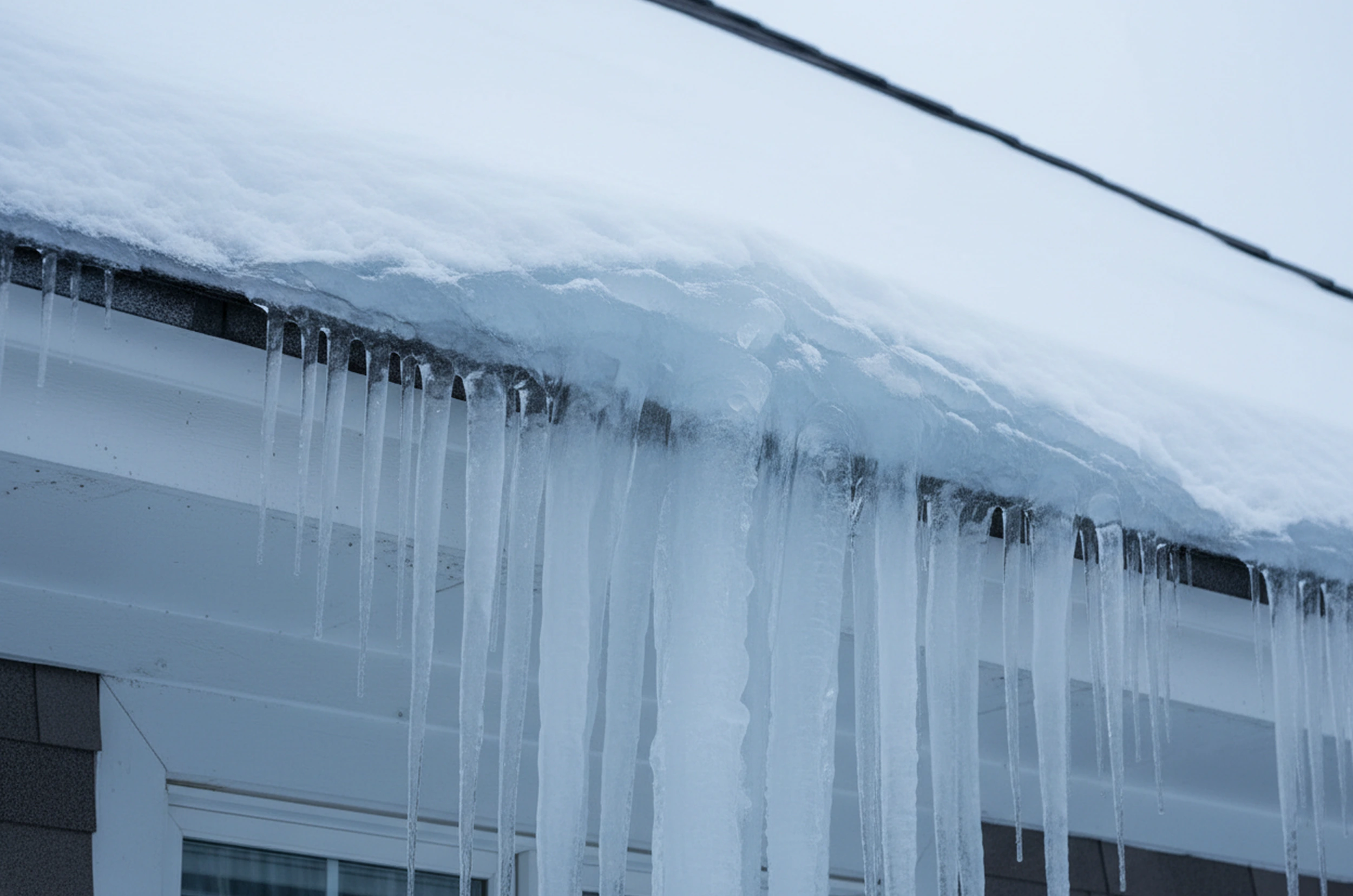
Ice dams are the other major issue. They form when heat escaping from the attic warms the roof deck, melting snow near the ridge. That meltwater runs down the roof and refreezes at the colder eaves, building up a ridge of ice. Water backs up behind the dam and works its way under shingles — into the decking, into the insulation, eventually into the ceiling below. Ice dams are a symptom, not just a weather problem. They usually indicate an attic ventilation or insulation issue that a new roof alone won’t fix.
What Makes Your Roof Vulnerable Going Into Winter
- Missing, cracked or curling shingles that let water underneath
- Damaged or lifting flashing around chimneys, vents and skylights
- Gutters that are blocked or pulling away from the fascia
- Soft spots in the decking that indicate existing water damage
- Poor attic ventilation that sets the stage for ice dams
Catching any one of these before November is worth doing. Catching all of them is worth prioritizing.
Shingles – What Needs Replacing and What Doesn’t
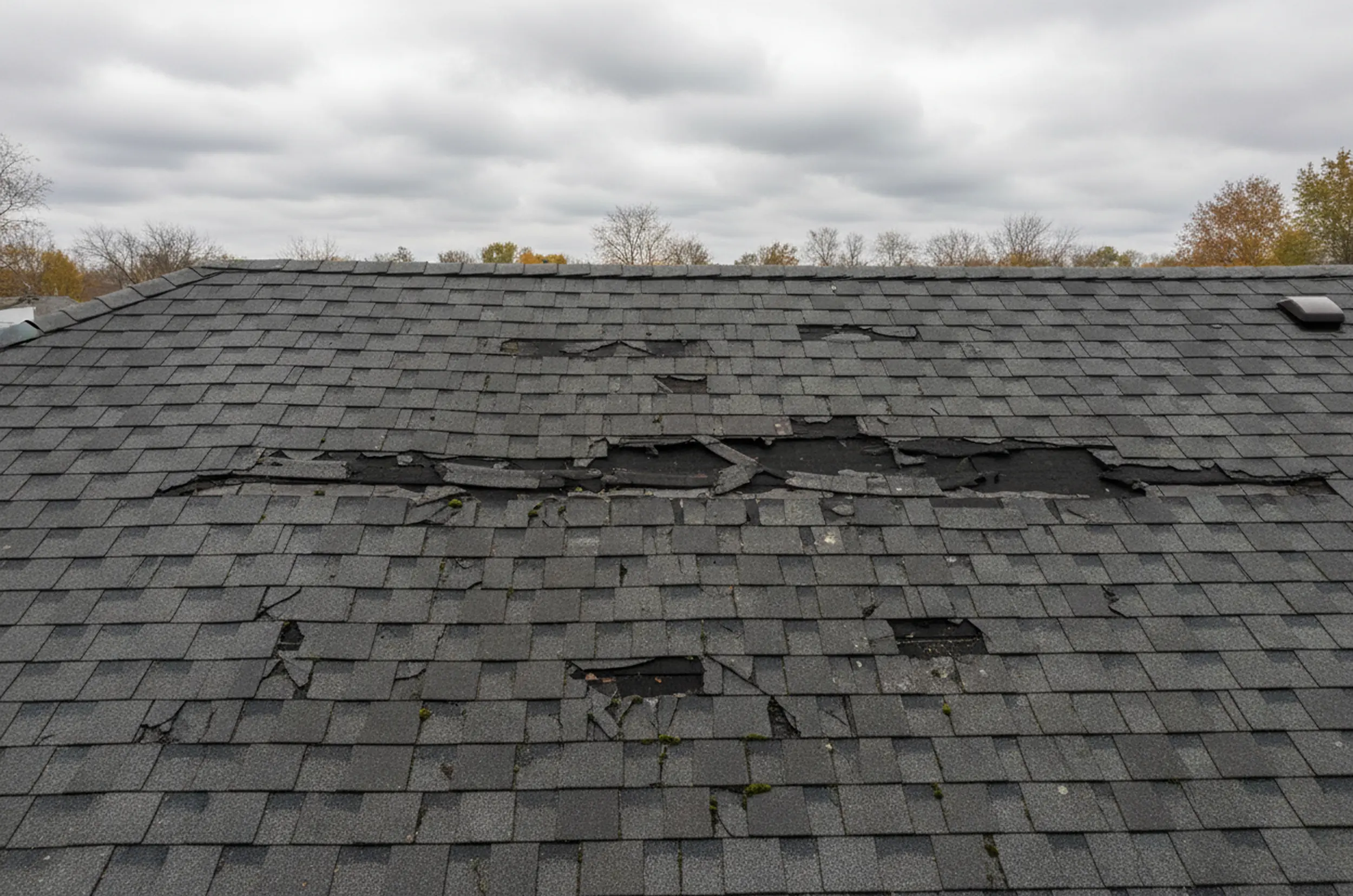
Not every worn shingle needs to be replaced immediately. A shingle that’s lost some granules but is still lying flat and sealed is doing its job. A shingle that’s cracked, curling at the edges or missing entirely is letting water in with every rainfall.
The distinction matters because roof repairs don’t need to be all-or-nothing. A targeted repair — replacing a section of damaged shingles, resealing lifted edges, addressing a specific problem area — is often the right move before winter. A full replacement, if the roof is otherwise sound, can be planned for spring or summer when conditions are better and the work can be done properly.
We look at four things when assessing shingles: granule loss, cracking, curling and adhesion. A shingle that scores poorly on more than one of those is a replacement. One that’s just showing age but is still lying flat can usually wait. The error most homeowners make is either ignoring obvious damage or panicking about surface wear that isn’t actually a problem yet.
Signs A Shingle Section Needs Attention Before Winter
- Shingles that are visibly lifted, especially near the ridge or edges
- Cracking along the surface that exposes the mat underneath
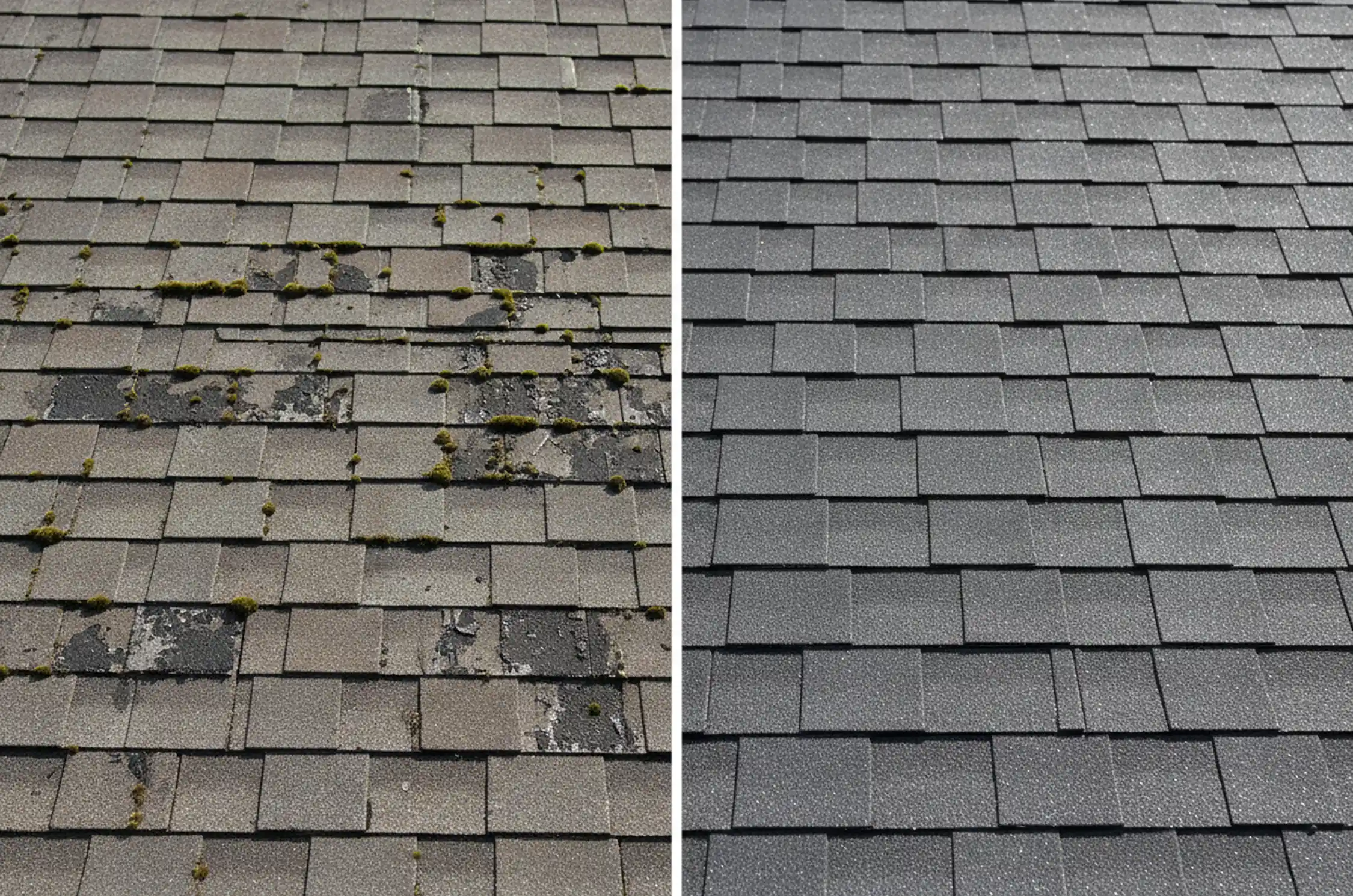
- Dark streaks or moss growth, which hold moisture against the surface
- Granules collecting in the gutters in large quantities after rain
- Any area where you can see daylight from inside the attic
Flashing – The Repair Most People Miss
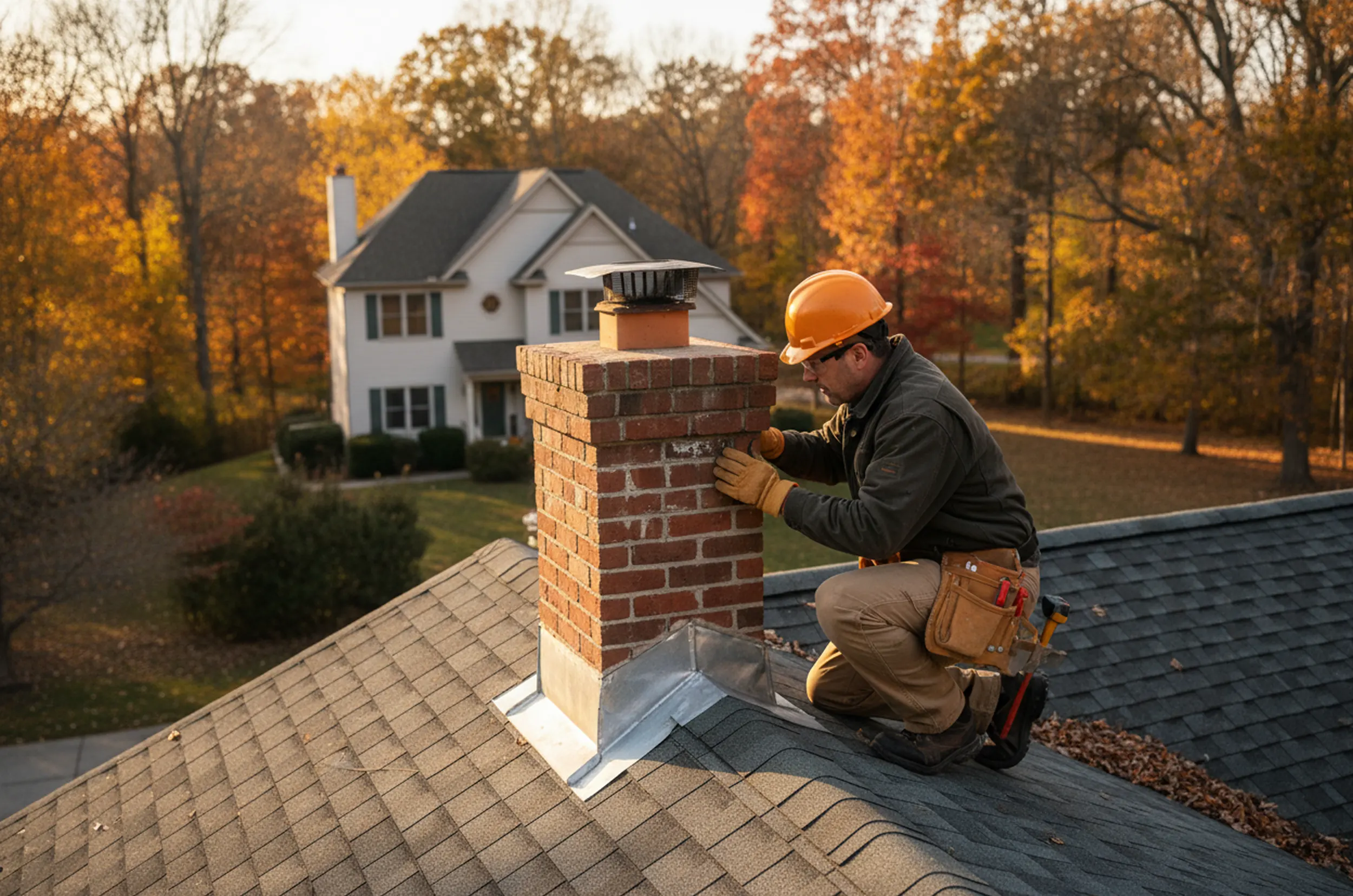
If we had to pick the single most overlooked part of a residential roof, it would be the flashing. Flashing is the metal — usually aluminum or galvanized steel — installed around chimneys, vents, skylights and anywhere two roof planes meet. Its job is to seal the transitions where shingles can’t.
Flashing fails in a few predictable ways. The sealant around it dries out and cracks. The metal itself lifts or pulls away from the surface it’s attached to. In older homes, the original flashing may have been installed with materials that have simply reached the end of their life. None of these failures are dramatic. All of them let water in consistently and quietly.
A chimney with failing flashing is one of the most common sources of interior water damage we see. The water doesn’t always come in directly below the chimney — it can travel along a rafter or wall cavity and show up somewhere else entirely, which is why finding the source of a roof leak is often harder than fixing it. Checking and resealing flashing before winter is one of the highest-value repairs a homeowner can make. It’s not expensive and it eliminates one of the most reliable paths for water to get into the house.
Gutters and Fascia – Don’t Skip This Step
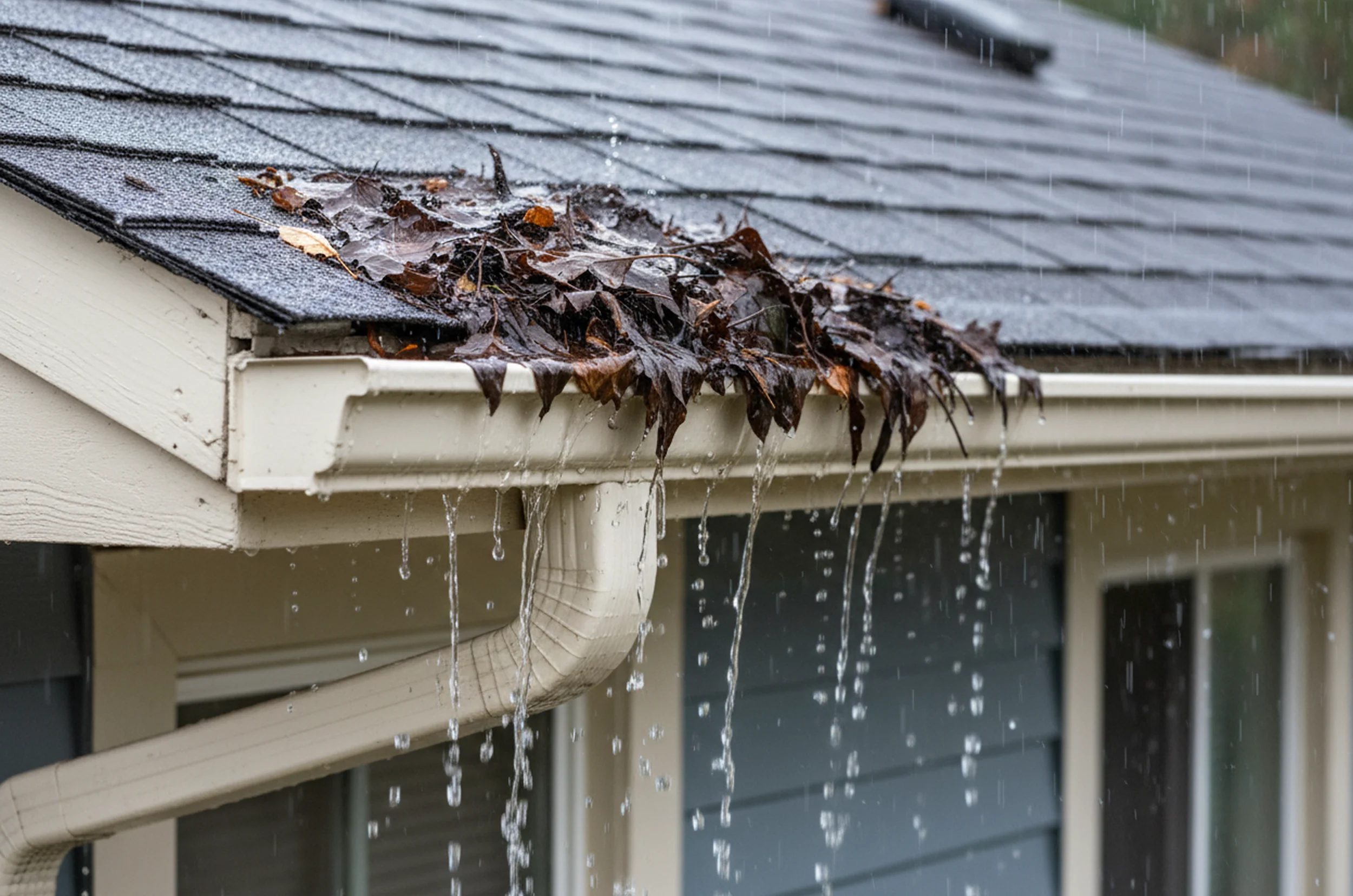
Gutters don’t affect the roof surface directly, but a blocked or damaged gutter system creates conditions that do significant roof damage over time. When gutters are full of debris, water backs up at the eaves. That standing water seeps under the first row of shingles and saturates the fascia board behind the gutter. Rotted fascia is a common finding on homes where gutter maintenance has been deferred for a few years.
Before winter, gutters should be cleaned completely and checked for proper slope toward the downspout. A gutter that holds standing water after rain is either blocked, damaged or incorrectly pitched — all of which are fixable. Gutters that are pulling away from the fascia need to be reattached before ice loads make the separation worse.
We also check the condition of the fascia itself. If it’s soft or visibly rotted, that’s a repair that needs to happen before the gutters go back up — otherwise you’re fastening into wood that won’t hold. It’s a straightforward job but one that gets expensive fast if it’s left to deteriorate further.
What Can Wait Until Spring
Not every roof issue is a pre-winter emergency. A full roof replacement on a roof that’s aging but not actively leaking is generally better done in warmer months — shingles seal more effectively in temperatures above 10°C, and the work is safer and more controlled. Cosmetic issues like surface staining or minor granule loss that aren’t accompanied by structural problems can be monitored through the winter and addressed in the spring.
The line we draw is this: anything that could allow water entry during a winter rain or freeze-thaw event needs to be addressed now. Everything else can be scheduled. If you’re not sure which side of that line your roof falls on, that’s exactly what a site assessment is for.
How to Do a Basic Visual Check Yourself
You don’t need to get on the roof to get a useful read on its condition. A lot can be seen from the ground with a decent pair of binoculars and a few minutes of attention. Walk the perimeter of the house and look at each roof section carefully. You’re checking for obvious shingle damage, lifted flashing around penetrations and any areas where the roof plane looks uneven or sunken.
From inside the attic — if you can access it safely — check for daylight coming through the decking, water stains on the rafters or sheathing and any areas that feel soft underfoot. A healthy attic should also have consistent airflow between the soffit vents and the ridge. If it’s stuffy or damp in there, ventilation is likely a factor.
What To Note & Bring To A Contractor
- Location of any visible shingle damage — which side of the roof, how many squares affected
- Any interior staining on ceilings or walls, even if it looks old and dry
- When the roof was last replaced or significantly repaired, if known
- Whether ice dams formed along the eaves last winter
- Any areas where the roofline looks irregular from the ground
The more specific you can be, the faster an assessment goes — and the more accurately we can tell you what the repair scope actually looks like.
What Renossance Does
We handle roof repairs across Trent Hills and the surrounding area — Campbellford, Hastings, Havelock, Marmora, Norwood, Warkworth and Stirling. Shingle repairs, flashing work, fascia replacement and full assessments before winter — we do it properly and we’ll tell you honestly what needs to happen now versus what can wait.
We’re a general contractor service, insured and bonded, with 7+ years of hands-on experience in residential roofing and exterior work.
If your roof hasn’t been looked at recently, now is the time. Don’t find out in January that October was the window.

